
Goodwill Mission to South Africa (9D/8N programme between 3 and 12 October 2025)
Travel Itinerary*:
- Johannesburg 4 days - then fly to Cape Town for another 5 days. Direct return flight by Singapore Airlines.
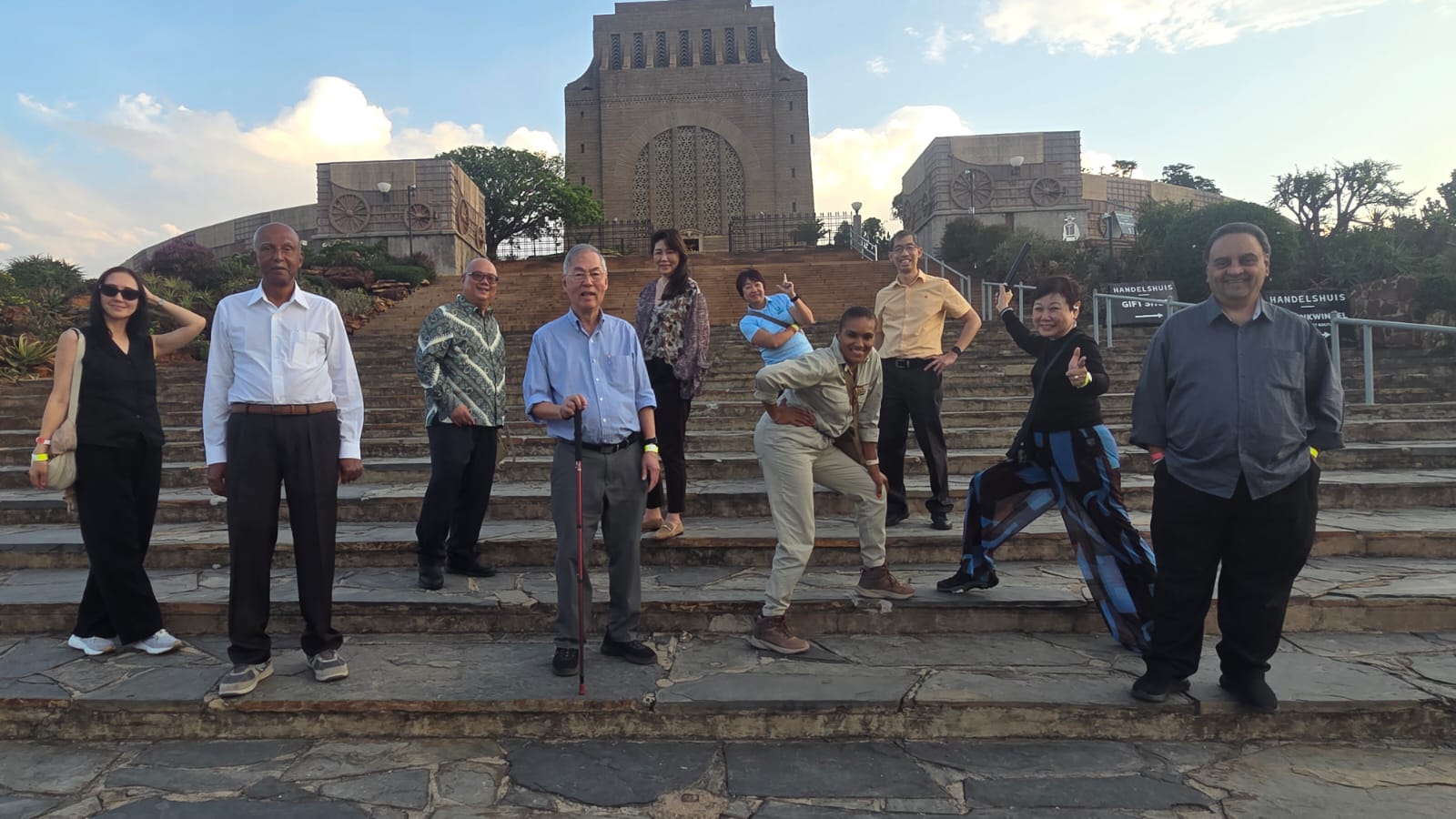
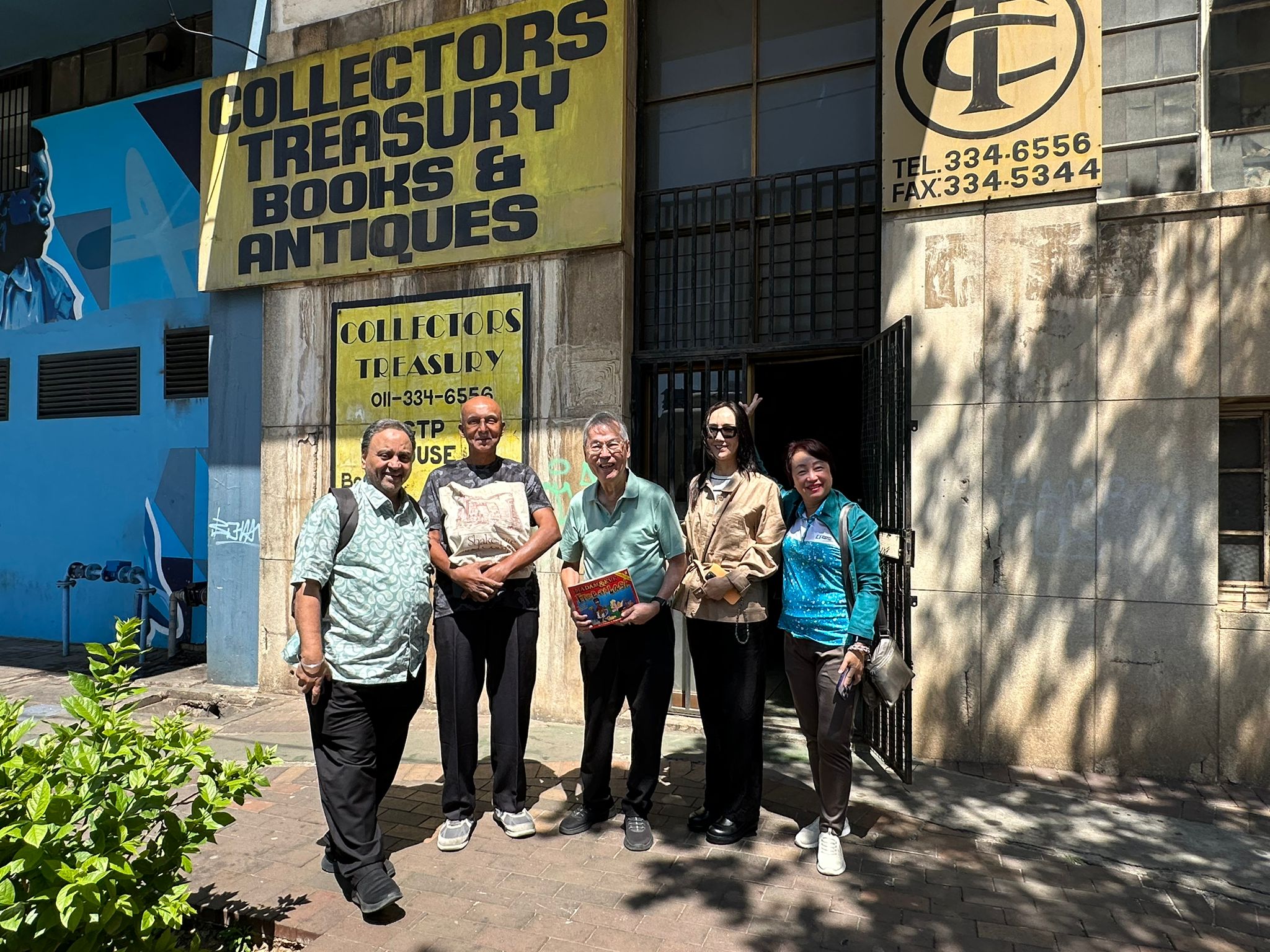
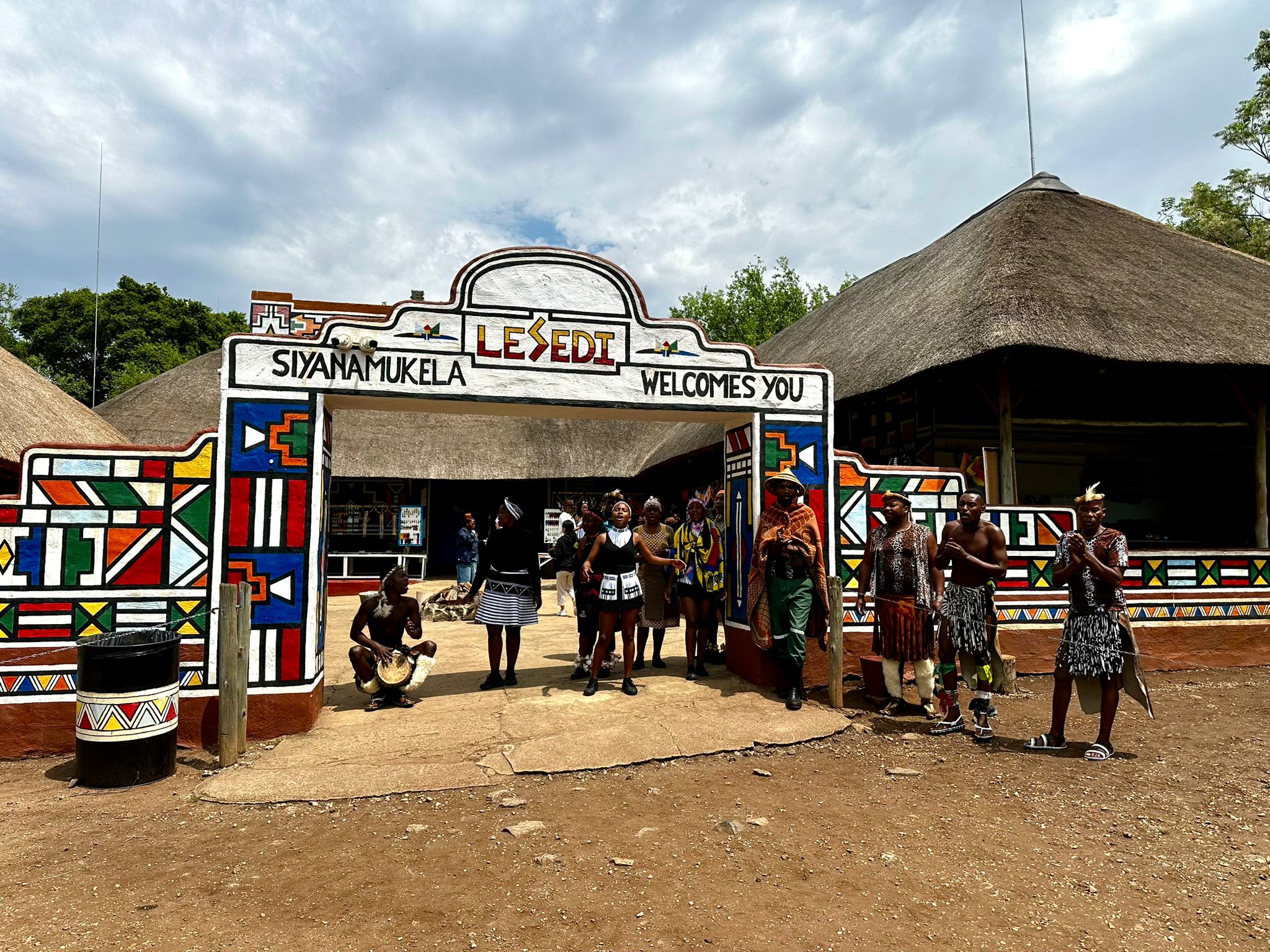
- In Johannesburg/Pretoria: official meetings, visit Mandela House, Apartheid Museum, Hector Pieterson Museum (UNESCO), UNESCO World Heritage Site of The Cradle of Humankind, Freedom Park Heritage Site & Museum, Voortrekker Monument, Maropeng Visitor Centre, Safari game drive at Pilanesberg National Park and Lesedi Cultural Village cultural shows, Nelson Mandela Square next to Sandton City Complex.
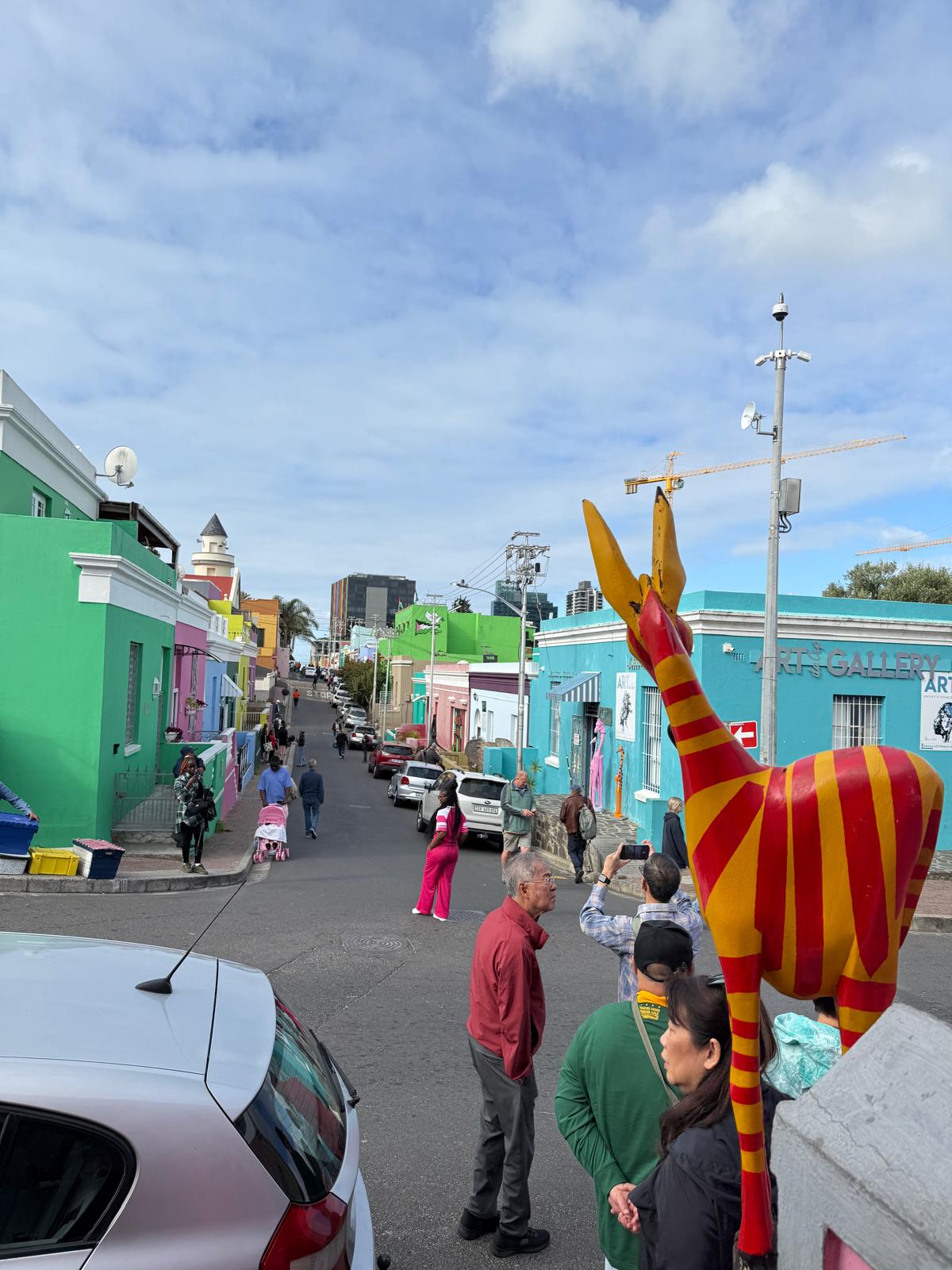
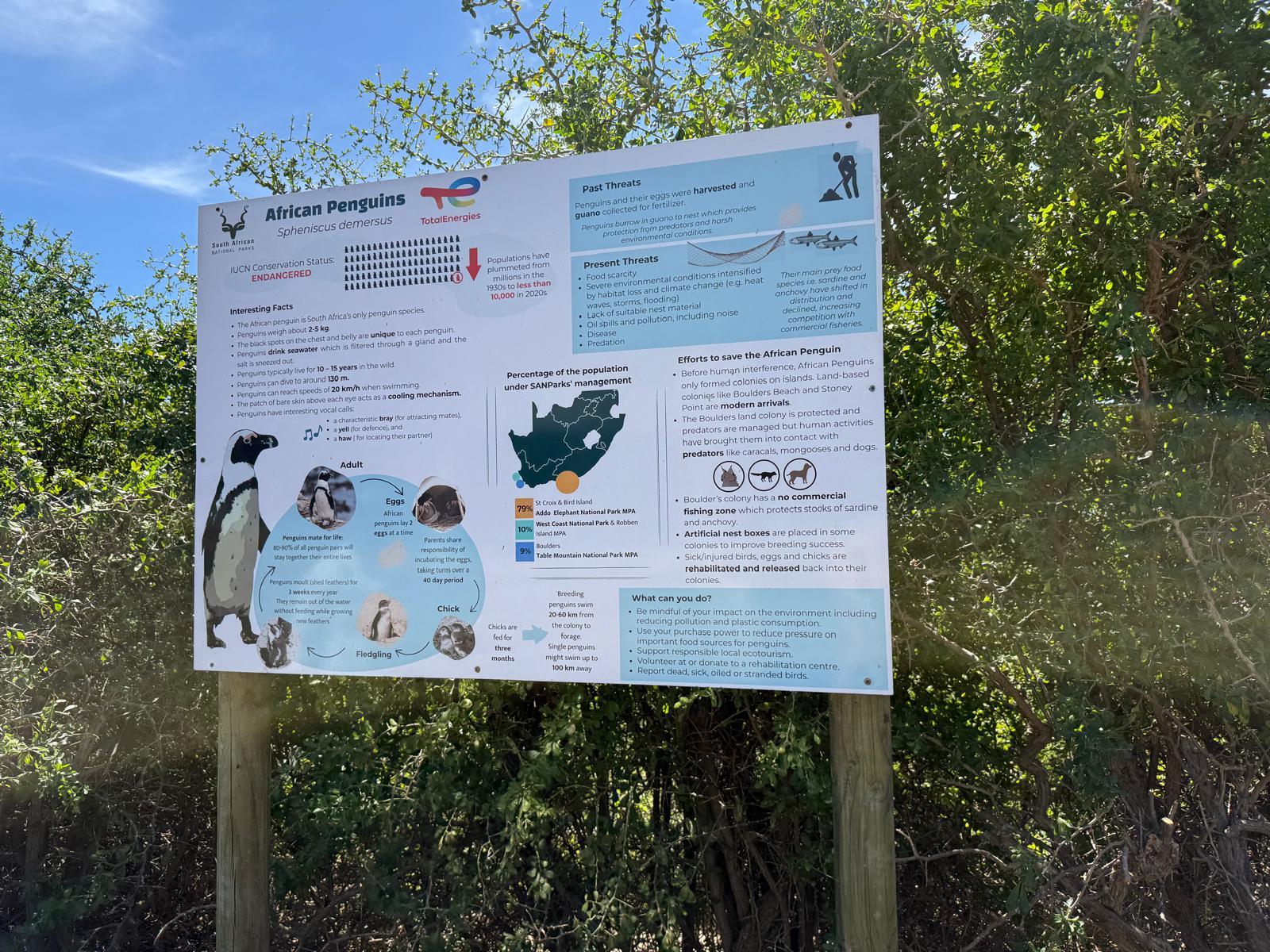
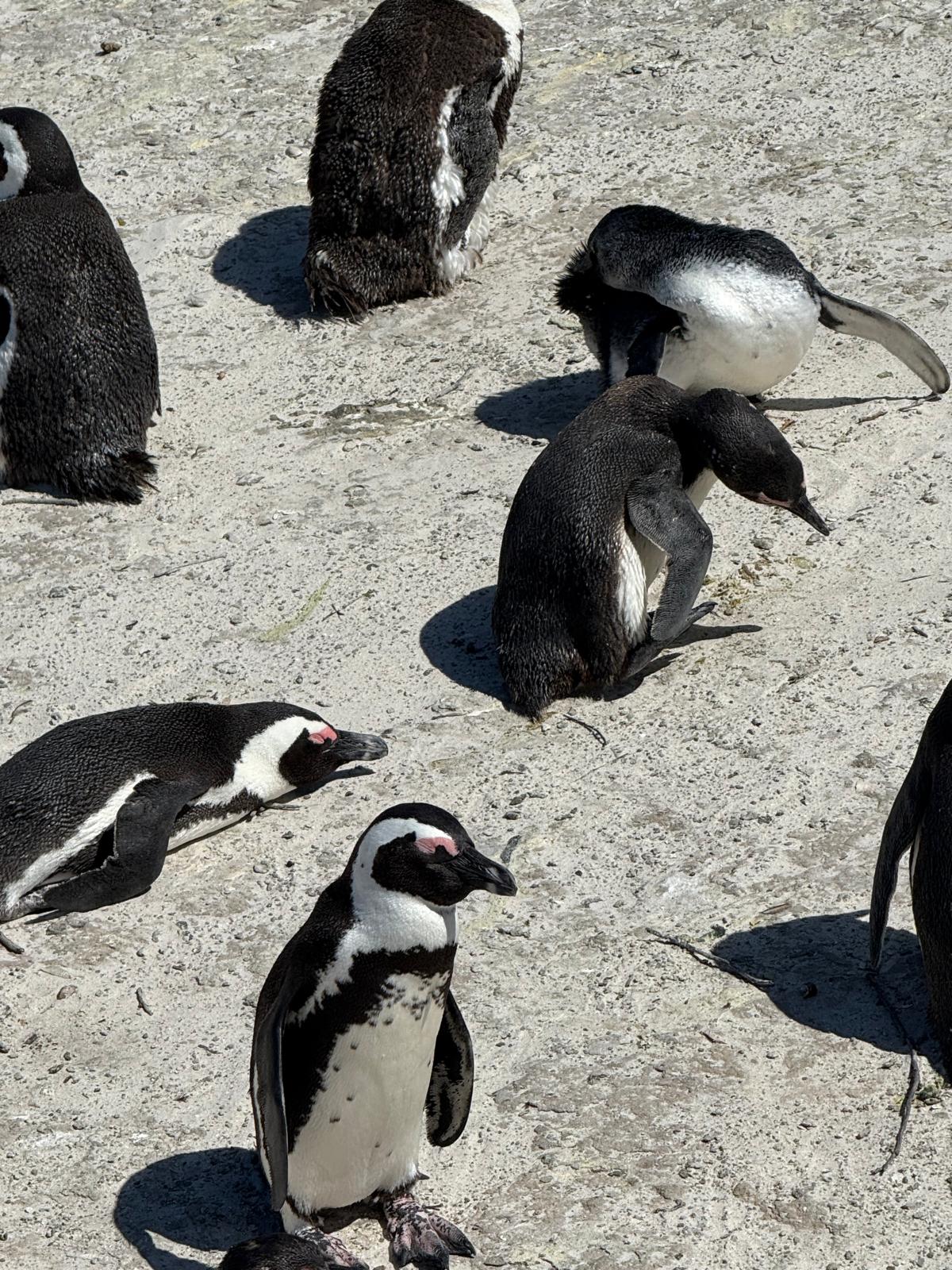
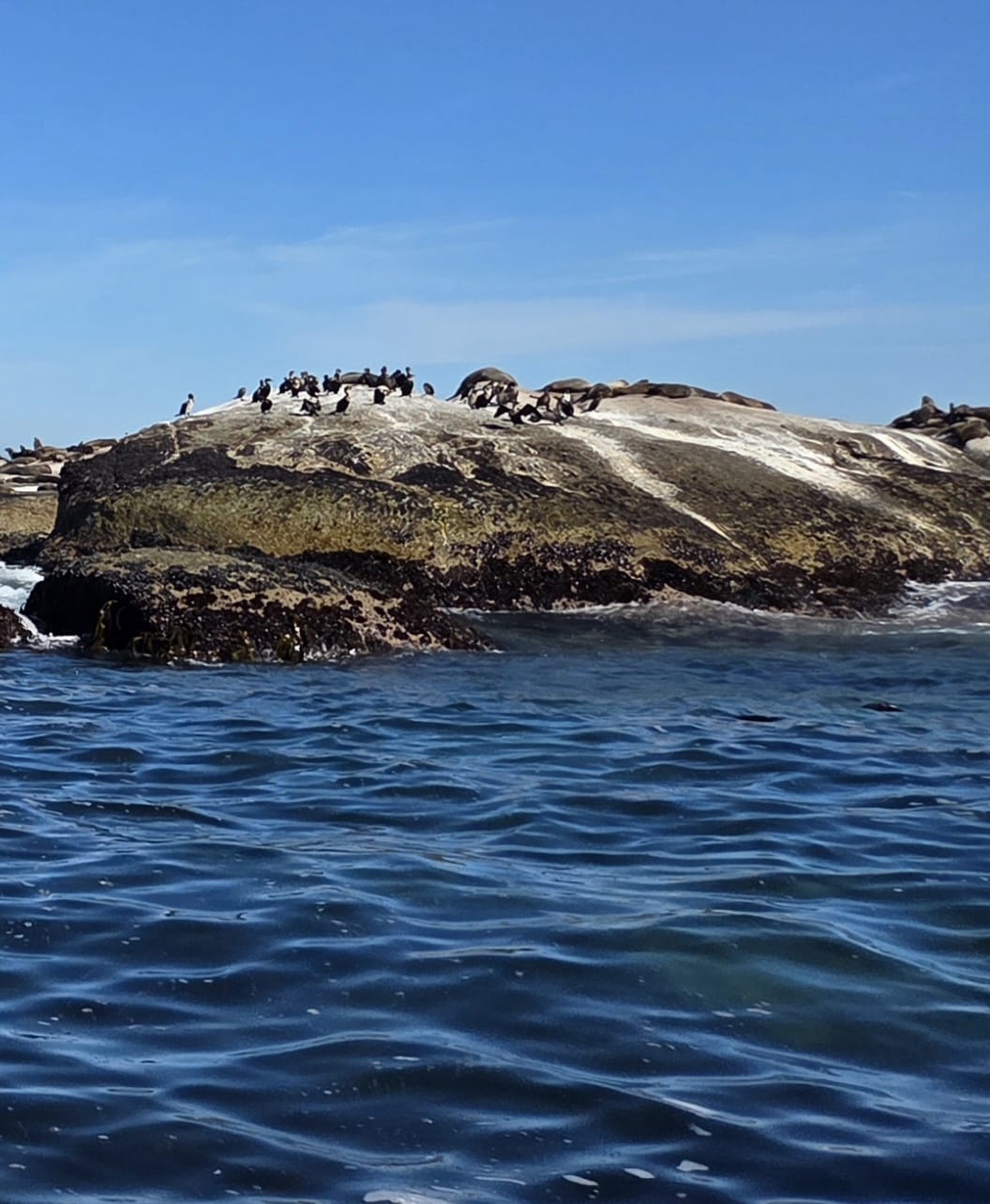
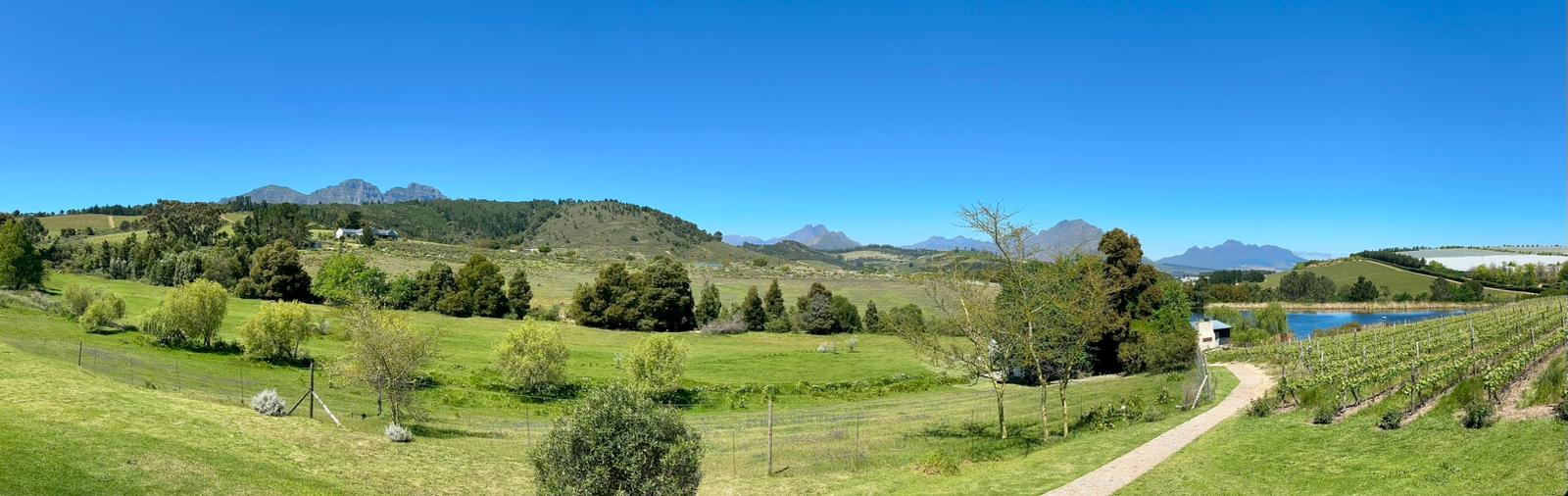
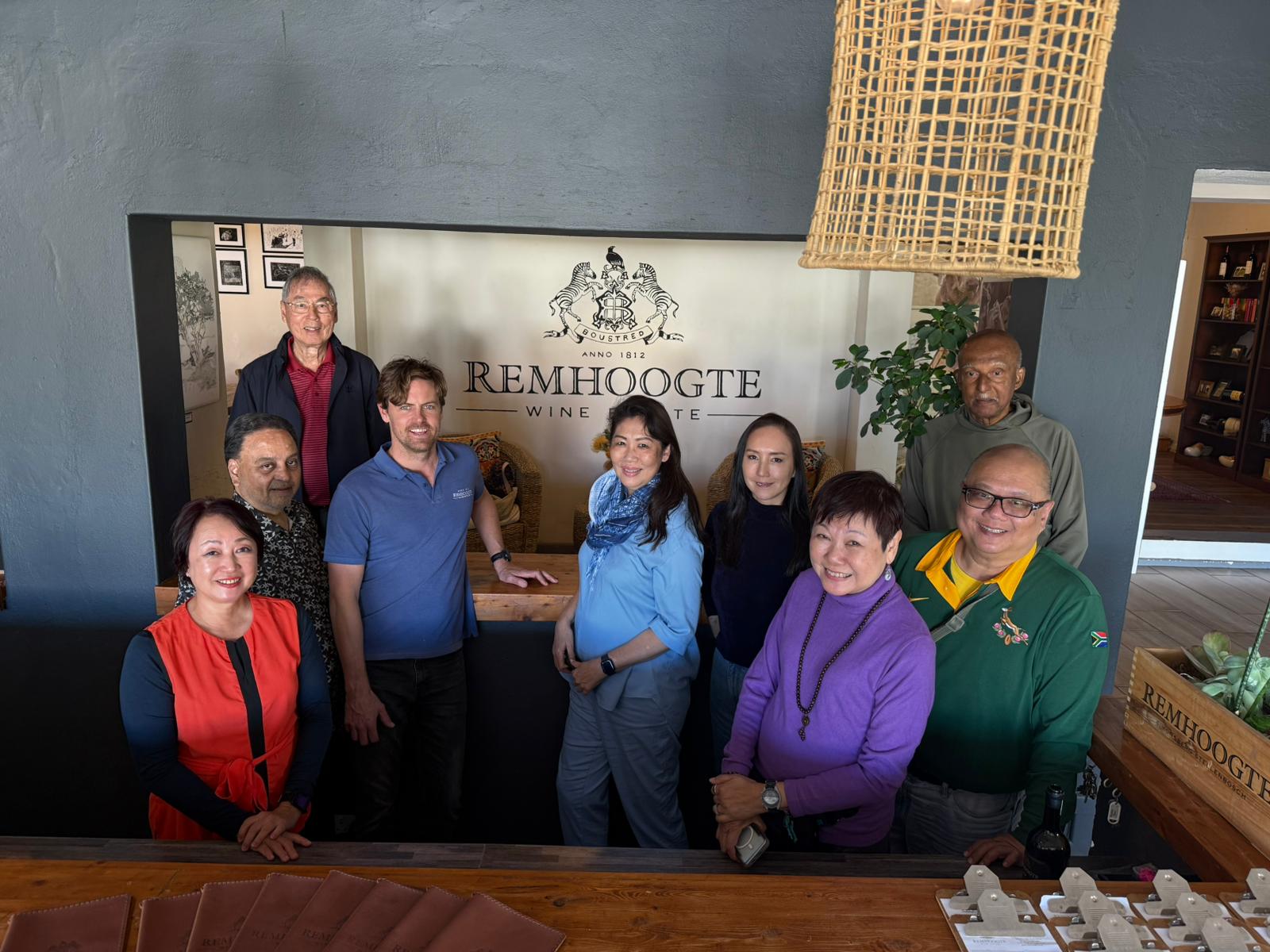
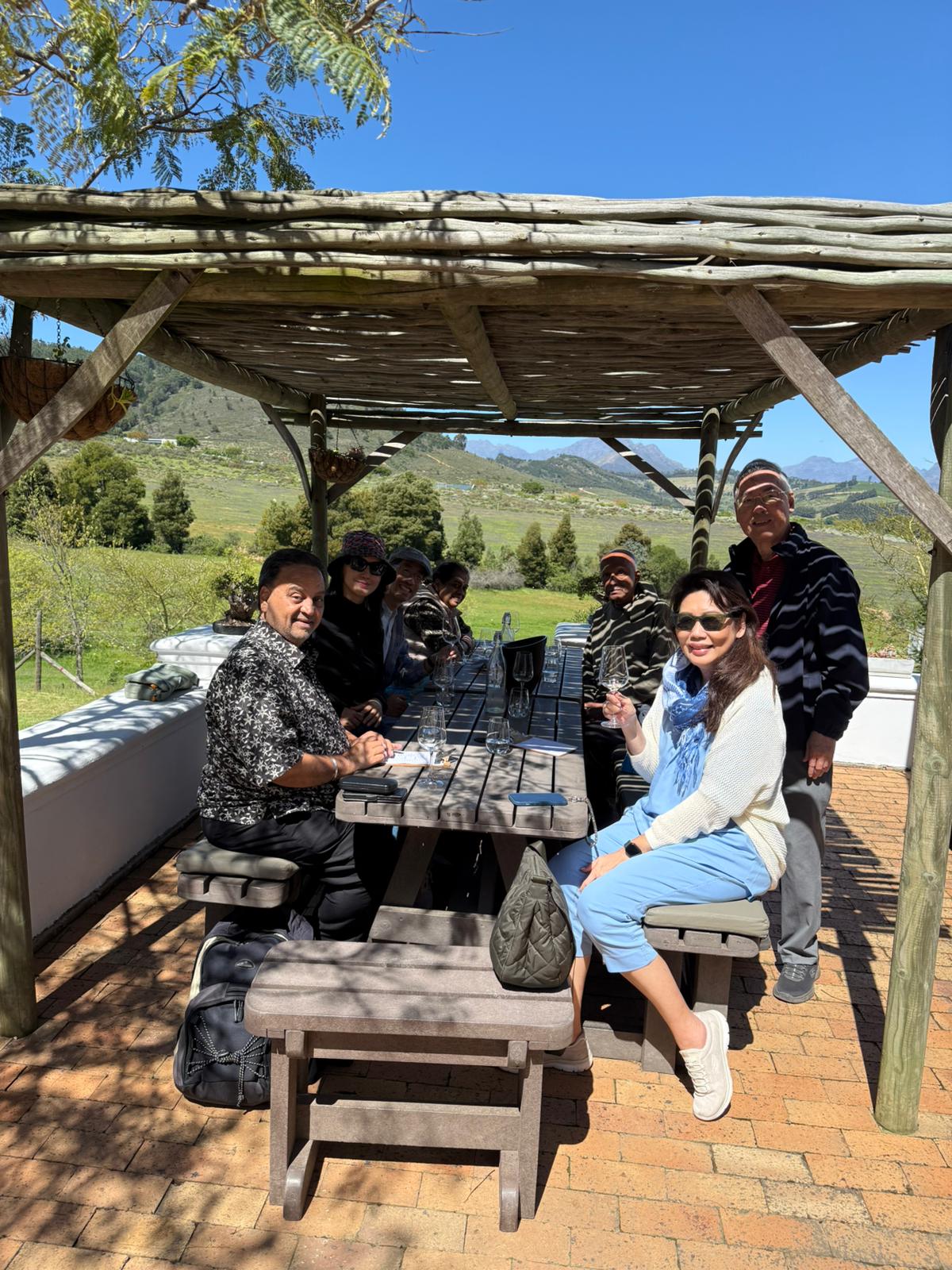
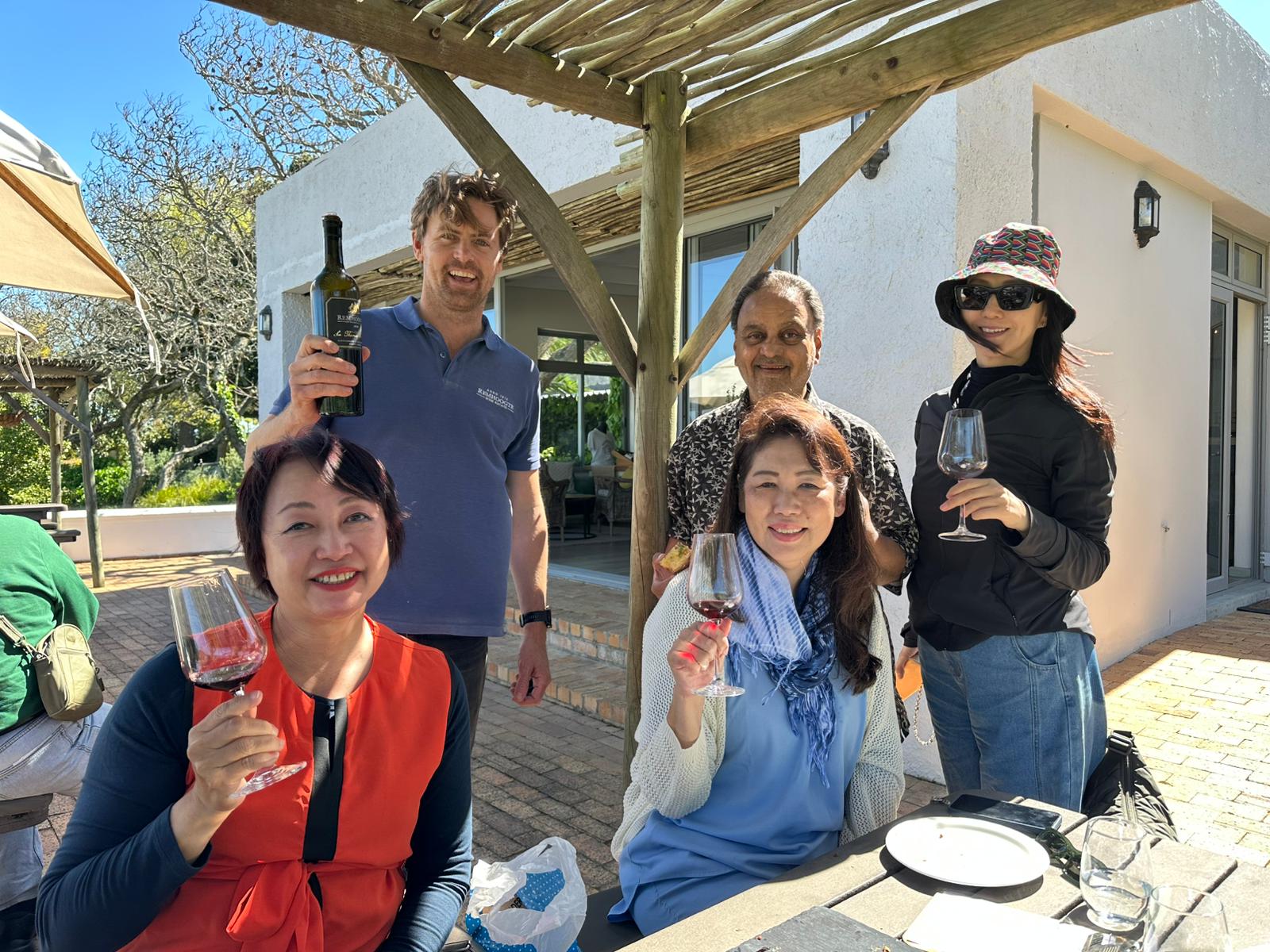
- In Cape Town: A lunch with a Table Mountain view and Cape Mistral Welcome, view and photos at the colourful historical Malay Quarter, visit to the Table Mountain, Stellenbosch ‘University Town’ tour with cellar door experiences and wine tastings over lunch at Remhoogte wine estate hosted by the owners, Cape of Good Hope Nature Reserve and Cape Point, Penguins at Boulders, Boat ride to Seal Island, Robben Island Tour (UNESCO), Huguenot Museum, etc!!
- Excellent meals - so big portions we can hardly finish.
SOUTH AFRICA "UNBOXED"...by the Singapore Press Club!!
South Africa - a country known for its natural landscapes, diverse wildlife, and rich cultural and political history.
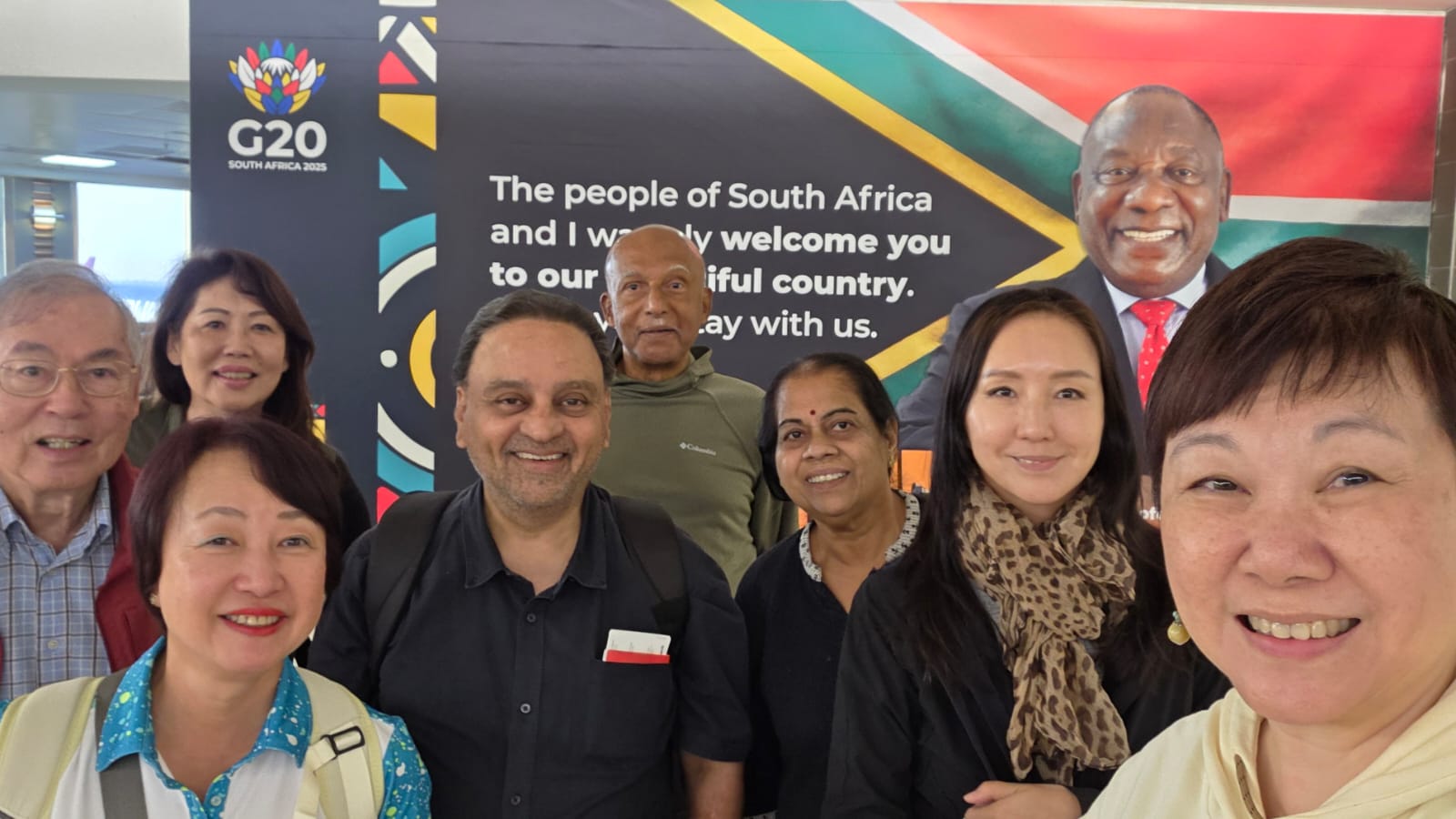
Well, a 10-member delegation from the Singapore Press Club experienced this, and more, during its Goodwill Mission to the country recently (3-12 October 2025).
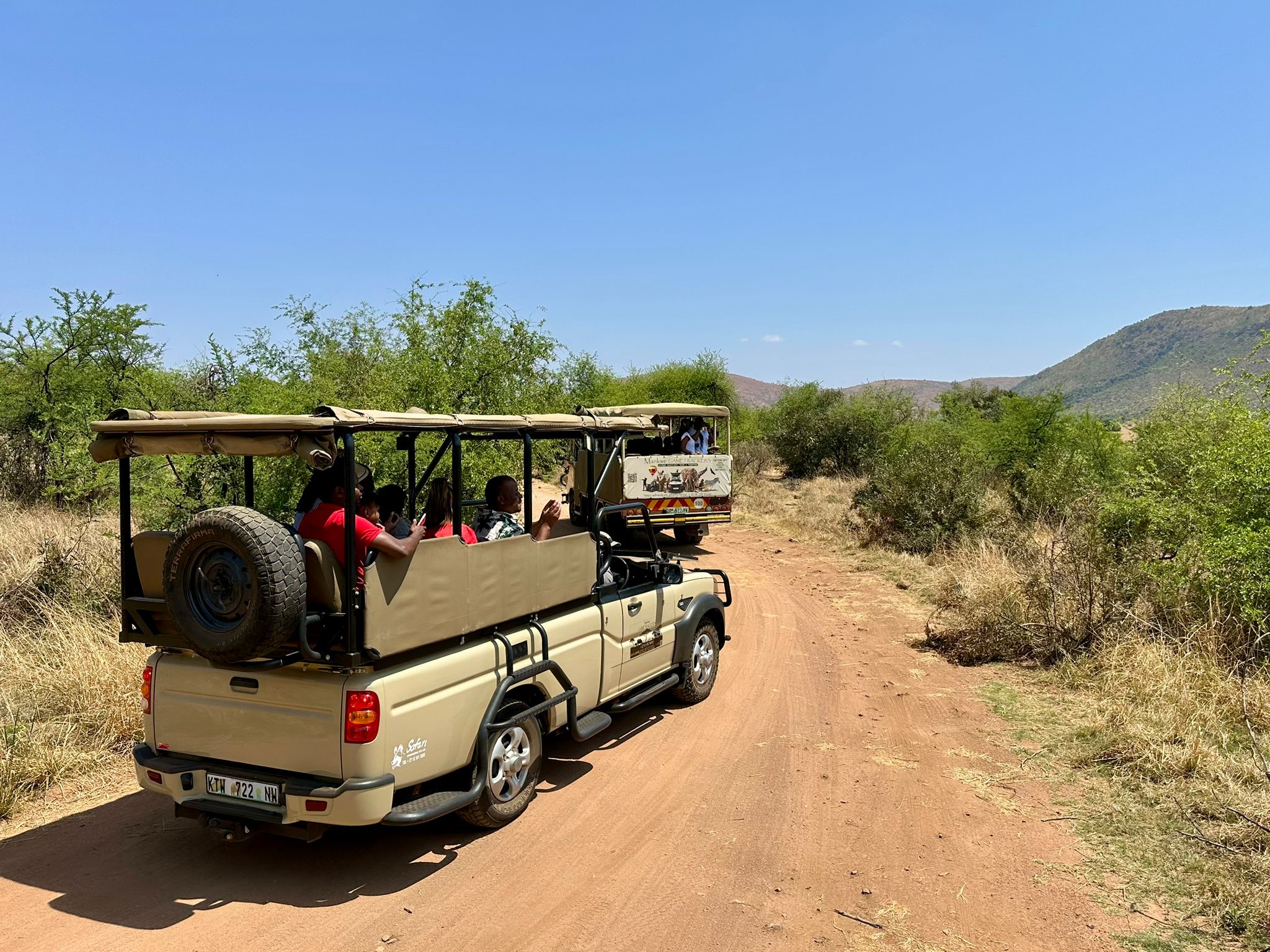
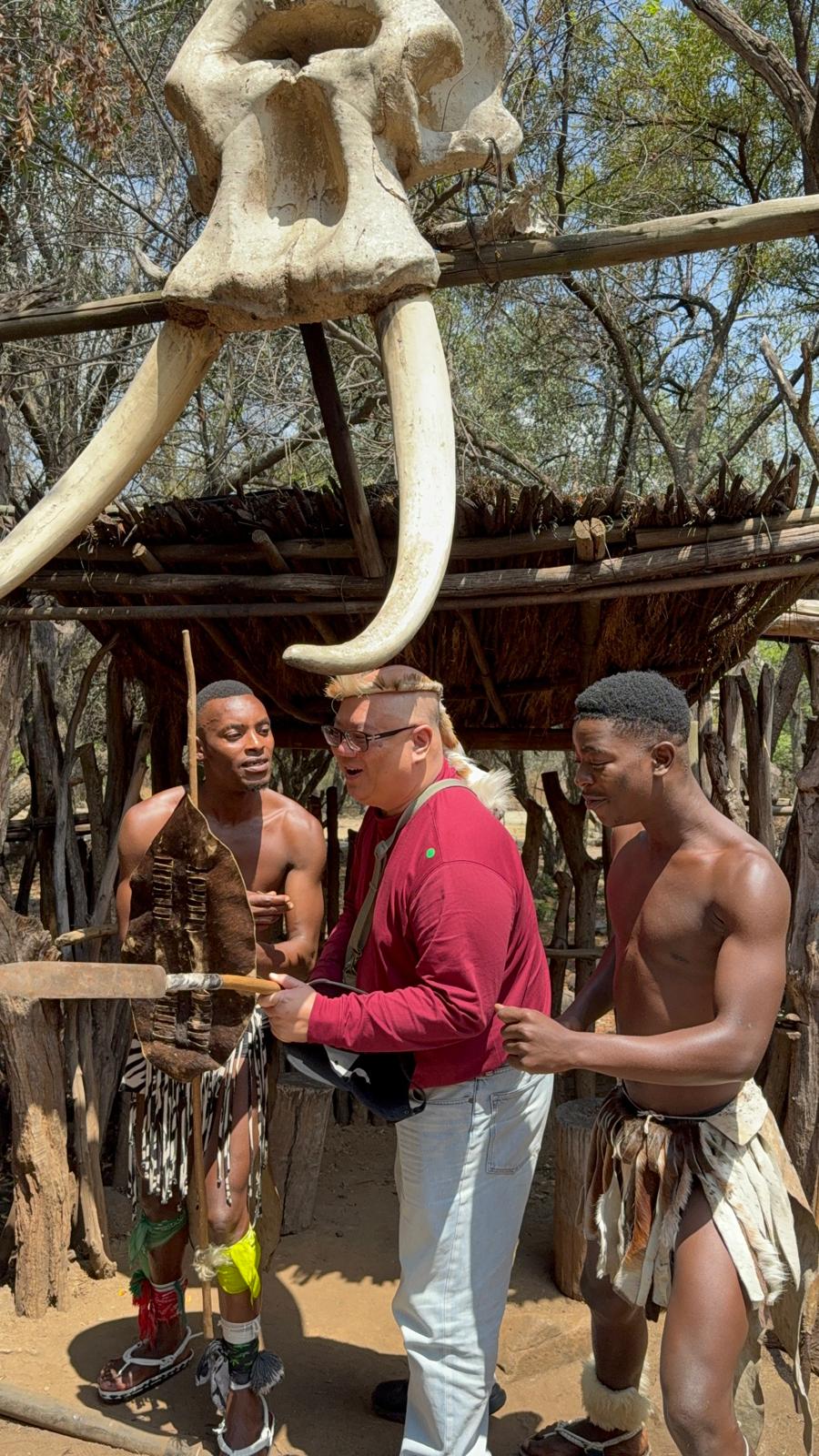
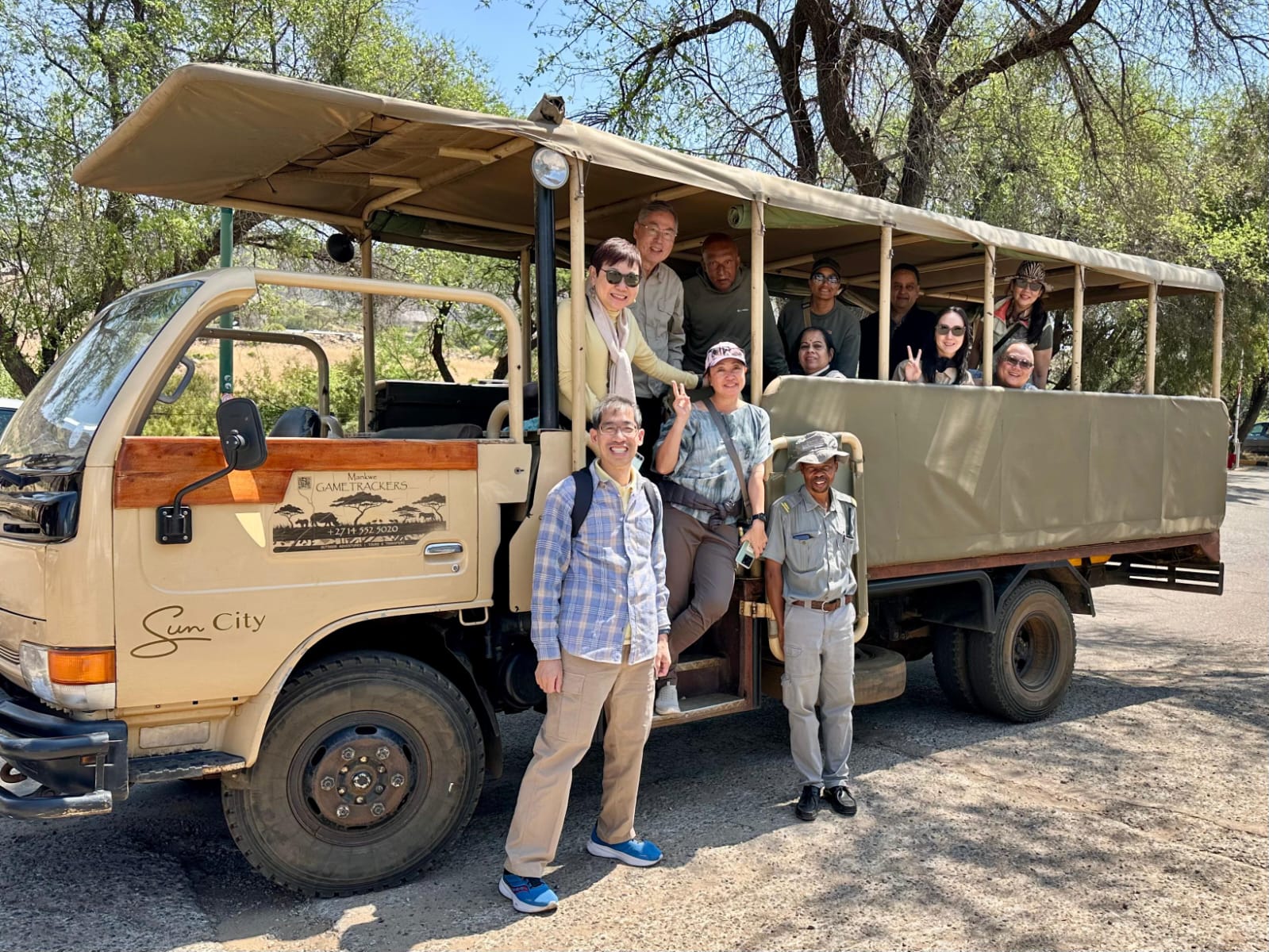
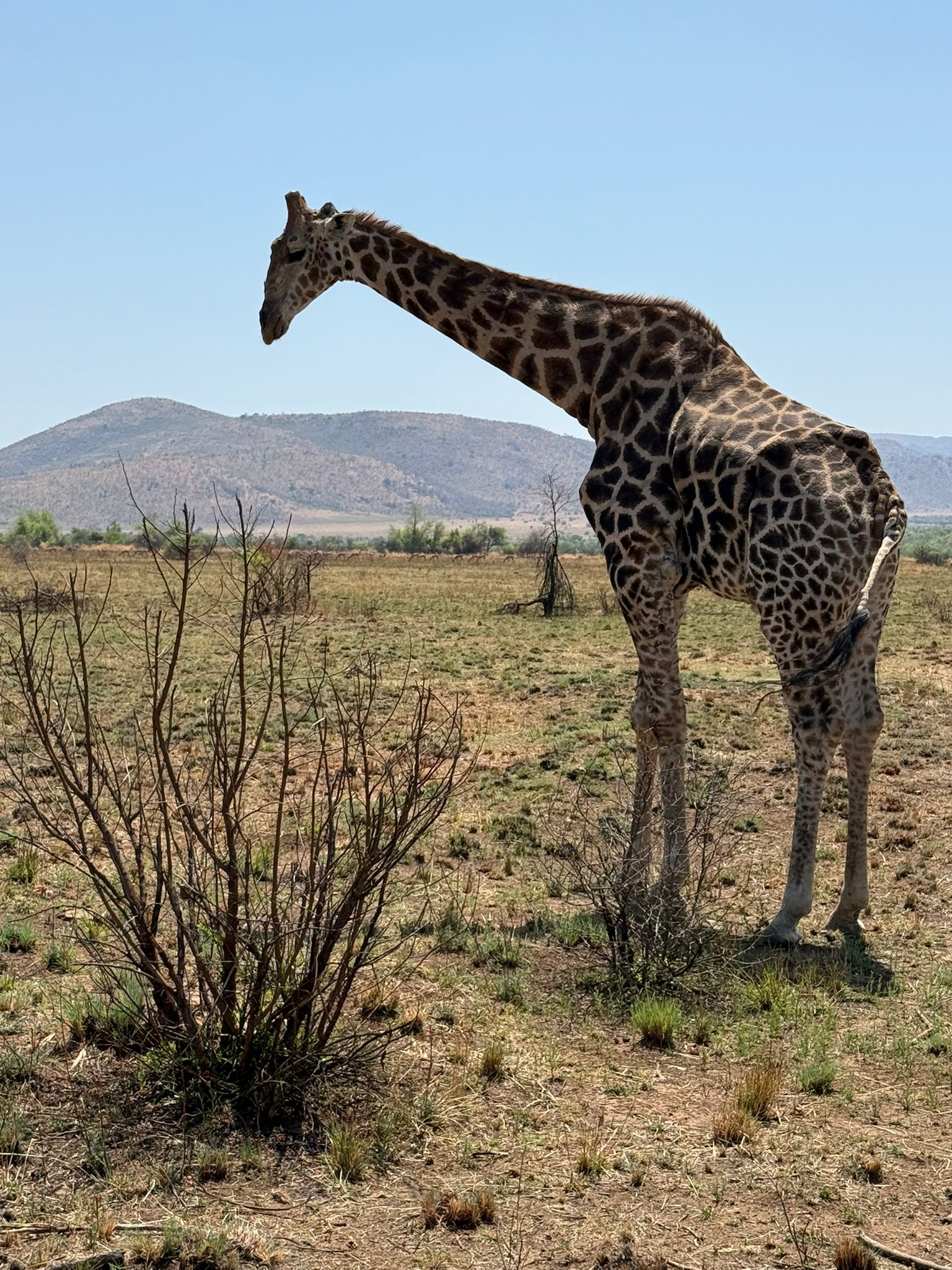
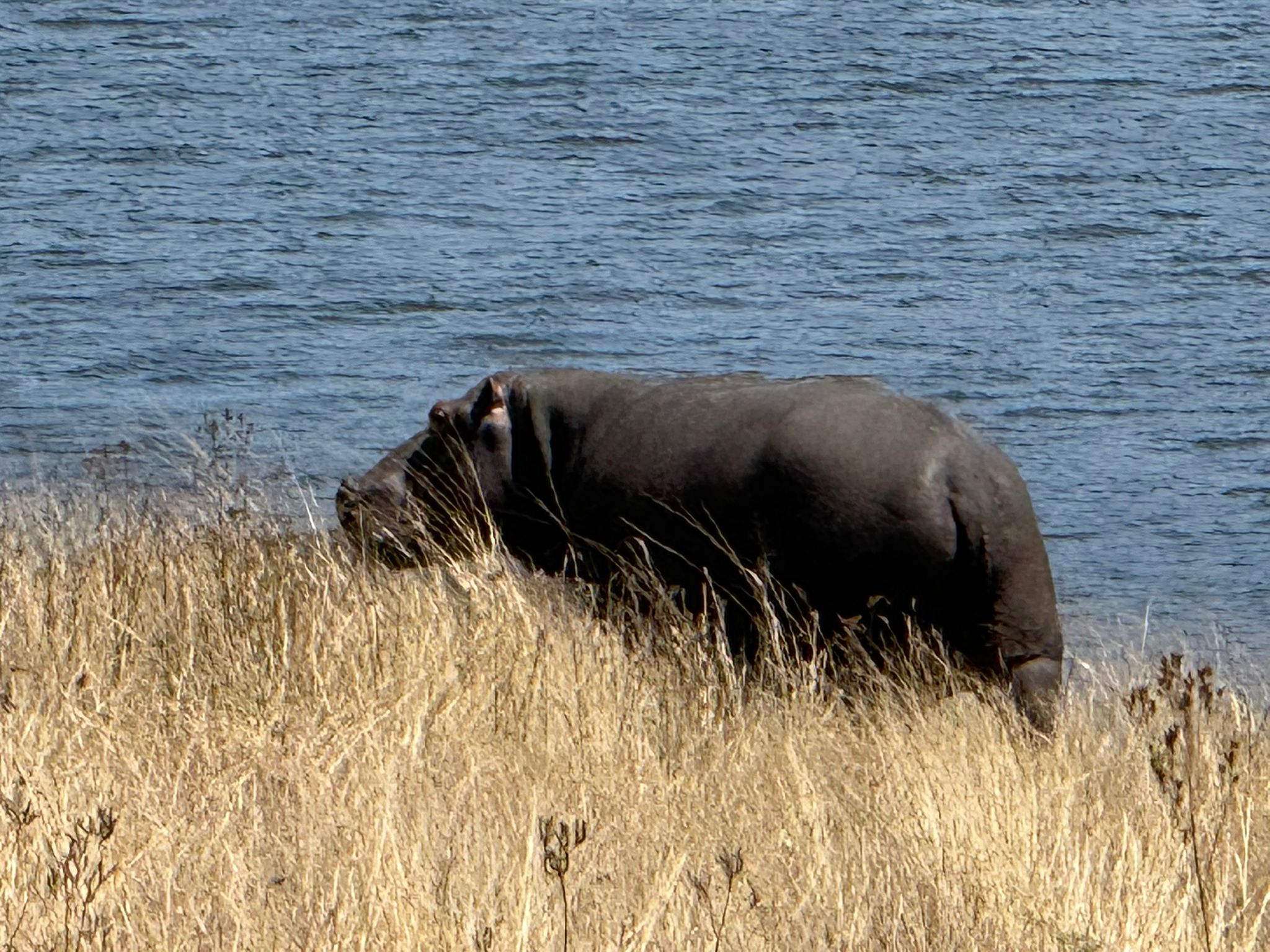
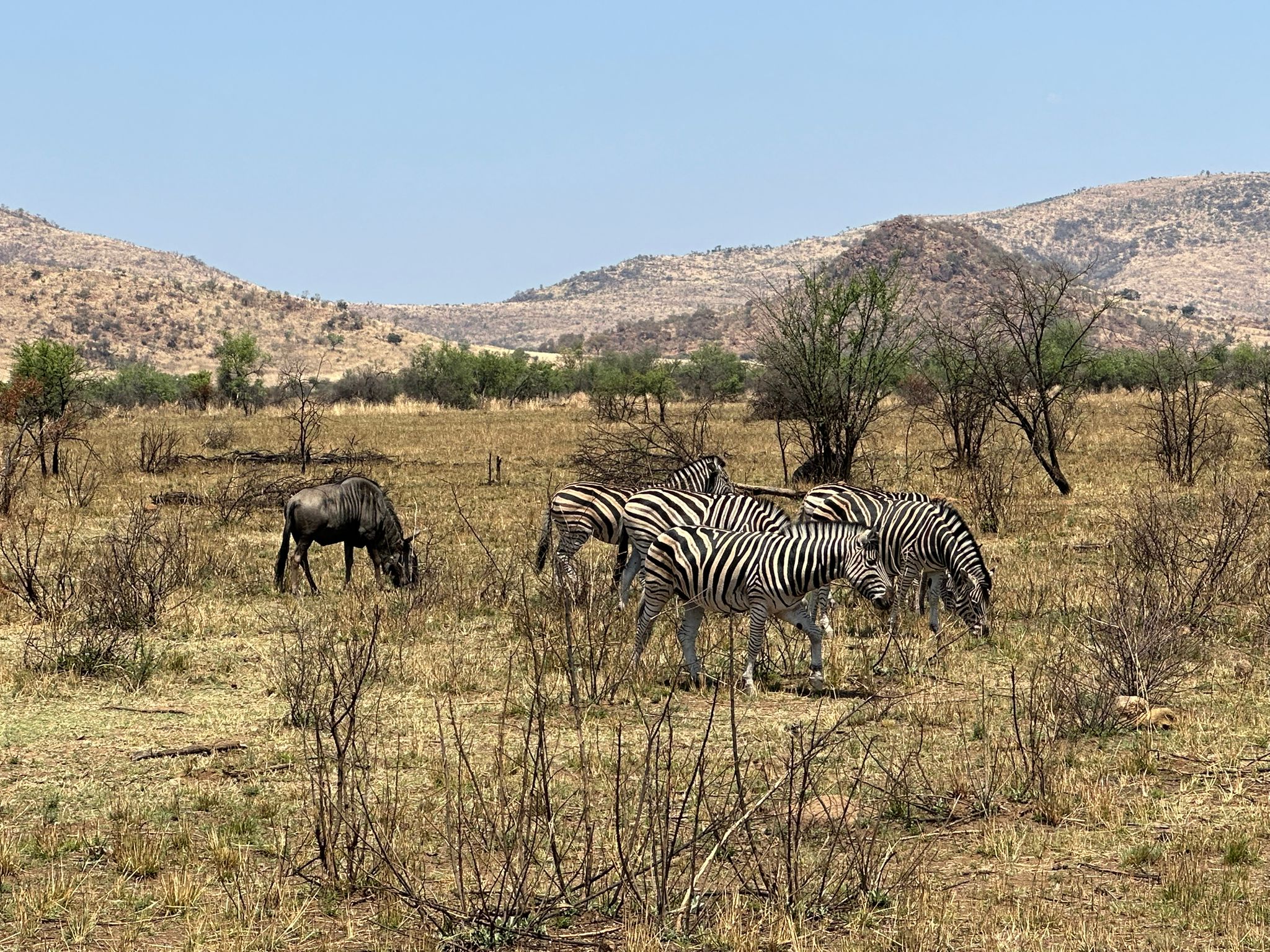
Yes, we did the touristy things - driving past the sprawling, chaotic and crowded township of Soweto, home to some two million people, experiencing the cultural diversity at the Lesedi Cultural Village, and witnessing the varied wildlife at the Pilanesberg National Park. All that was in Johannesburg!
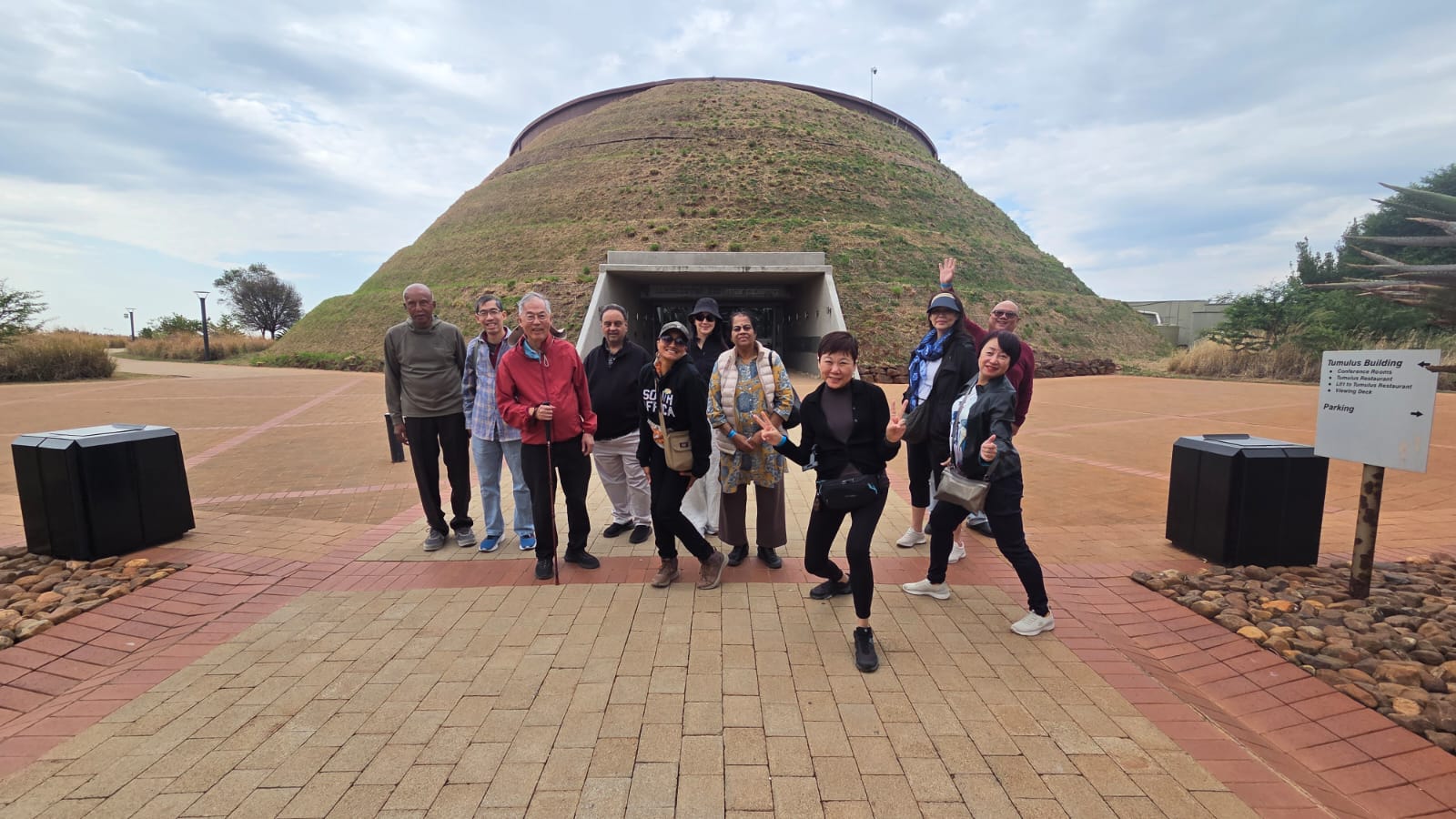
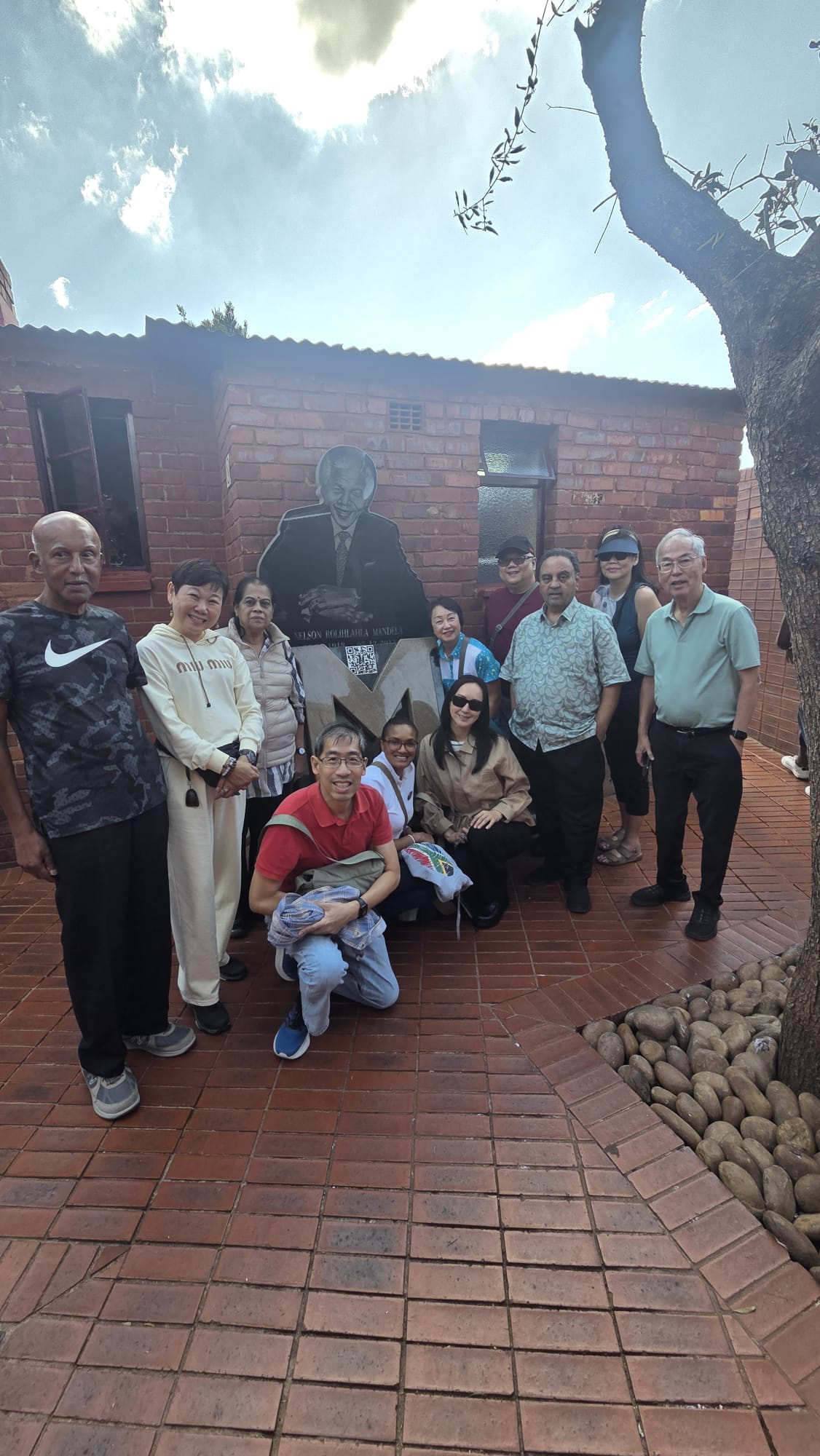
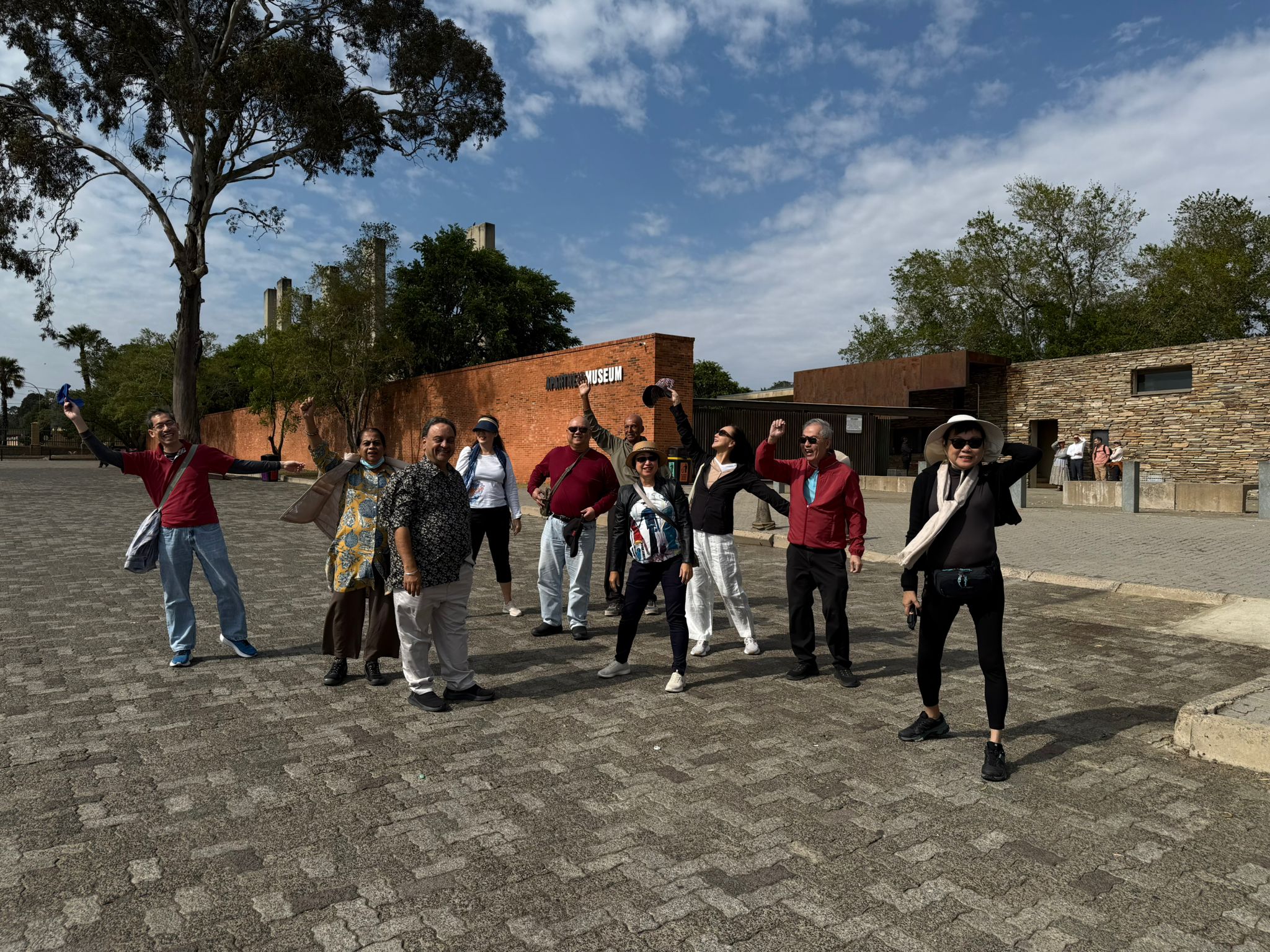
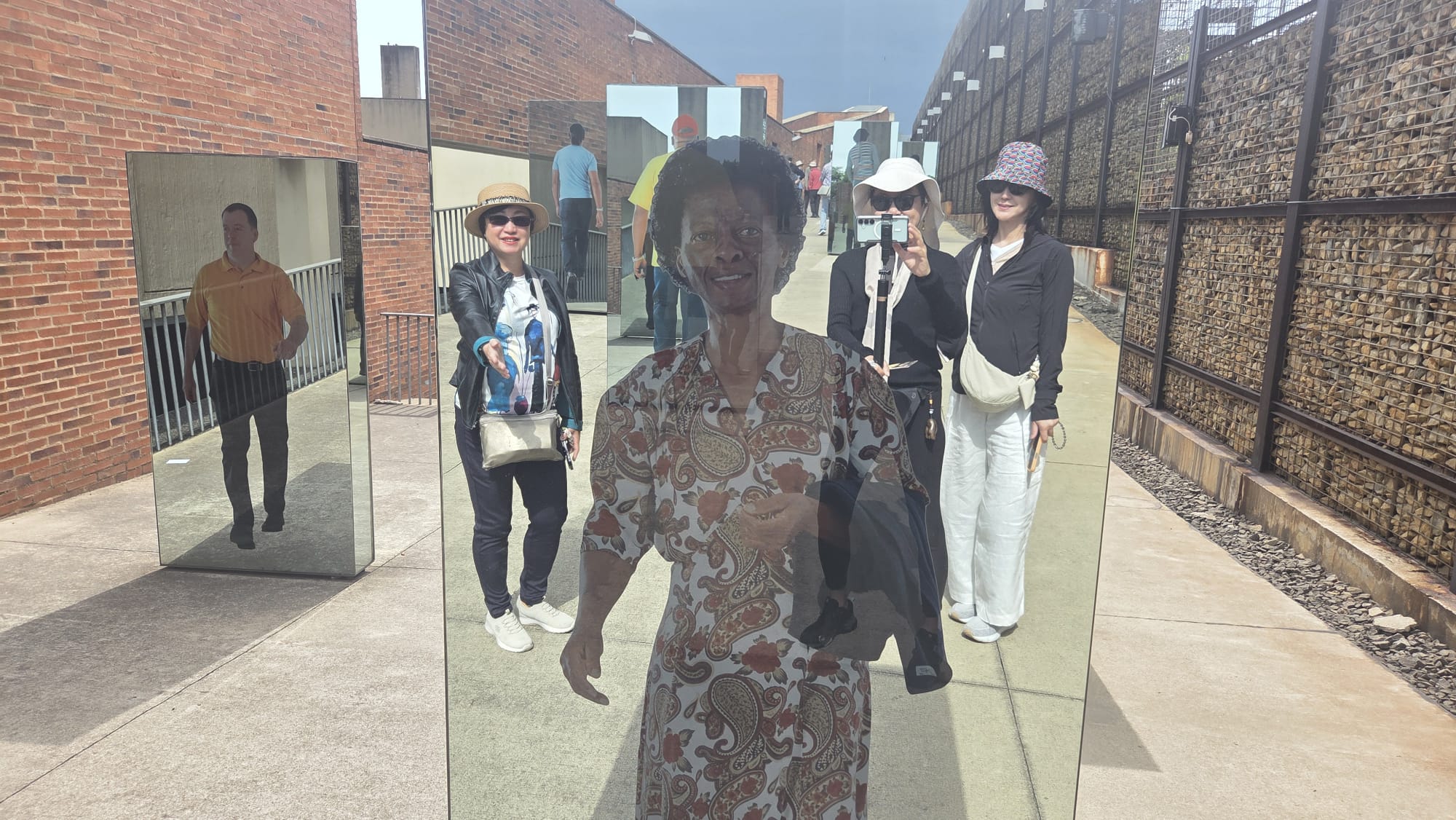
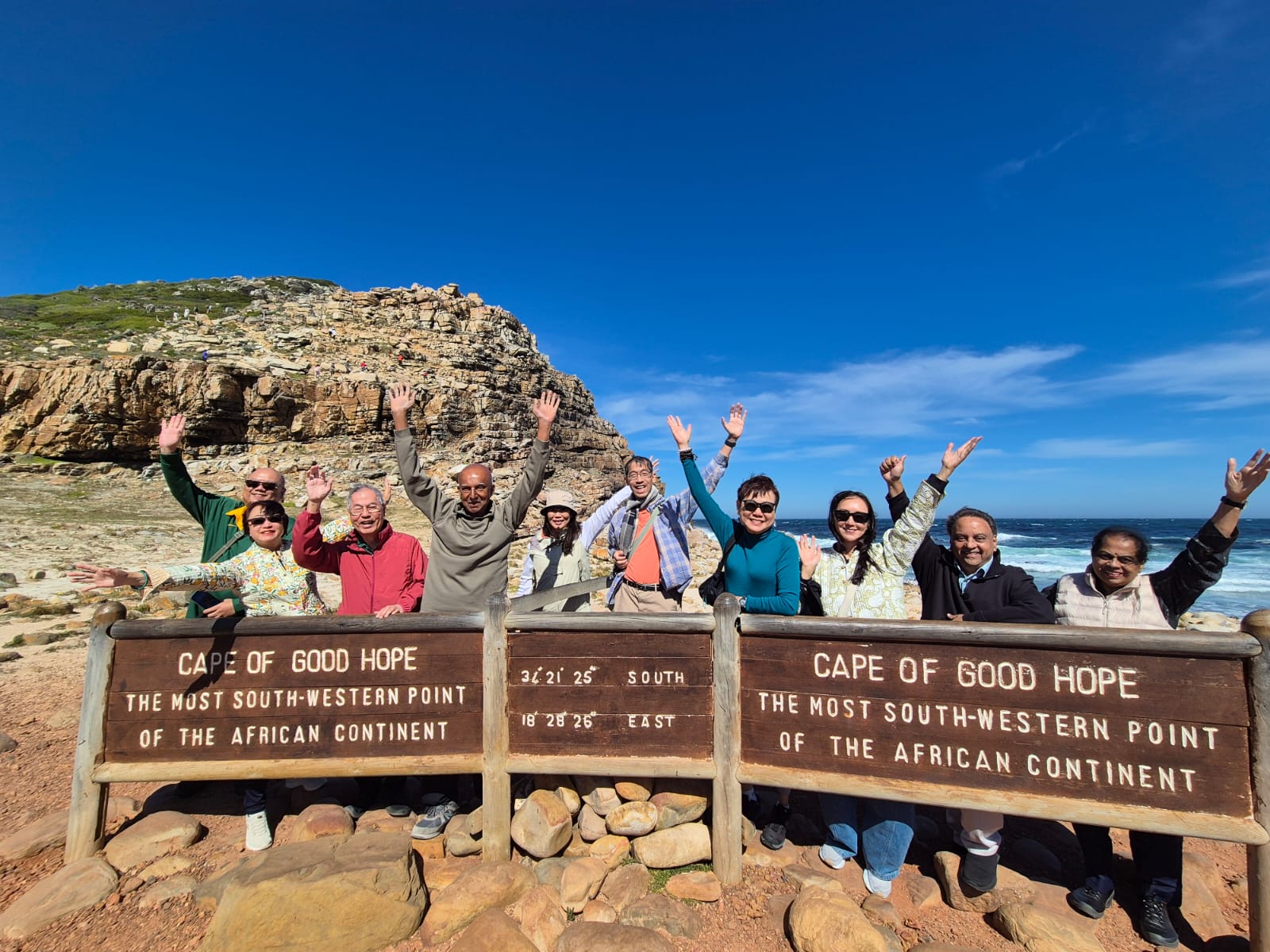
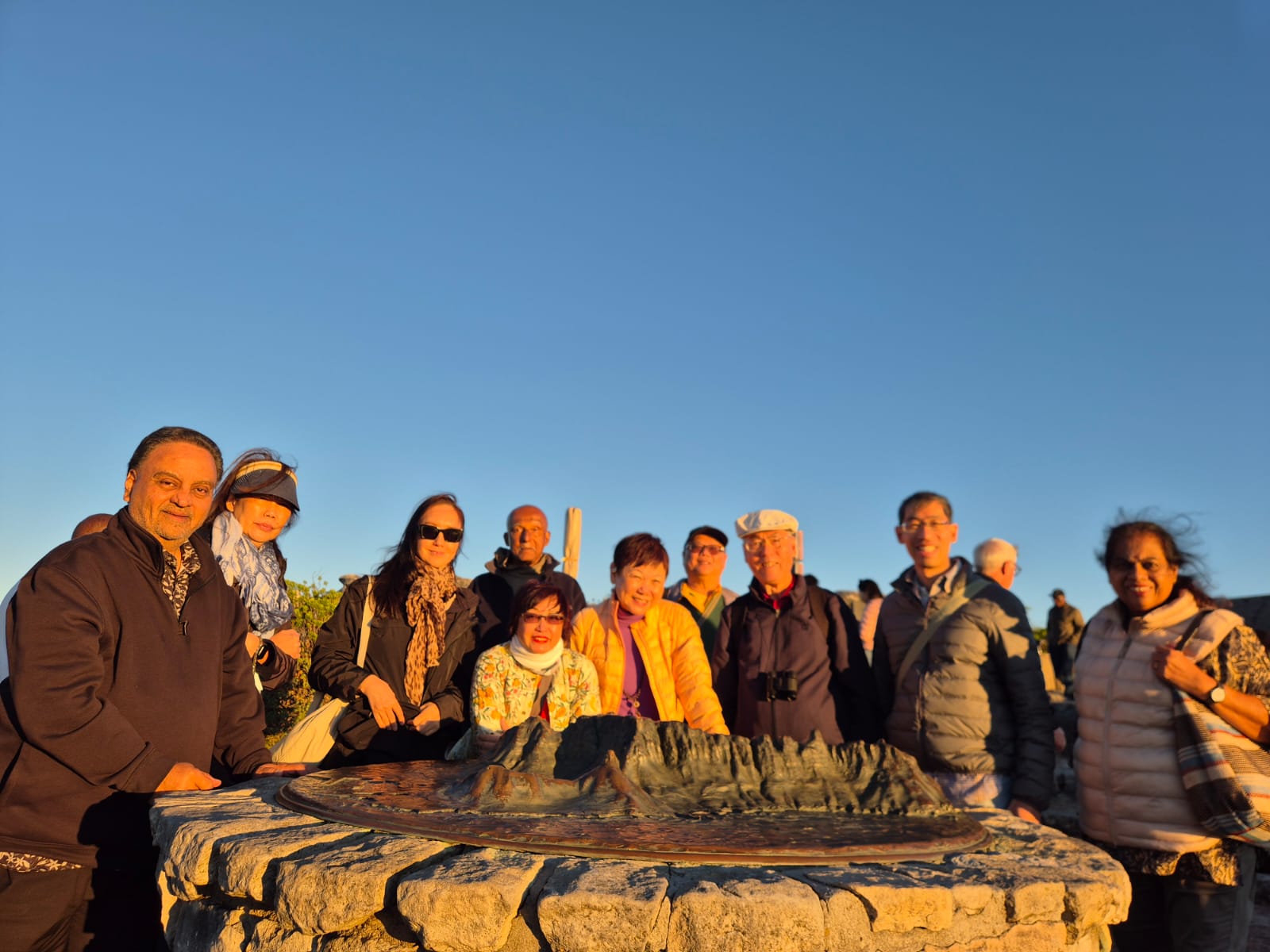
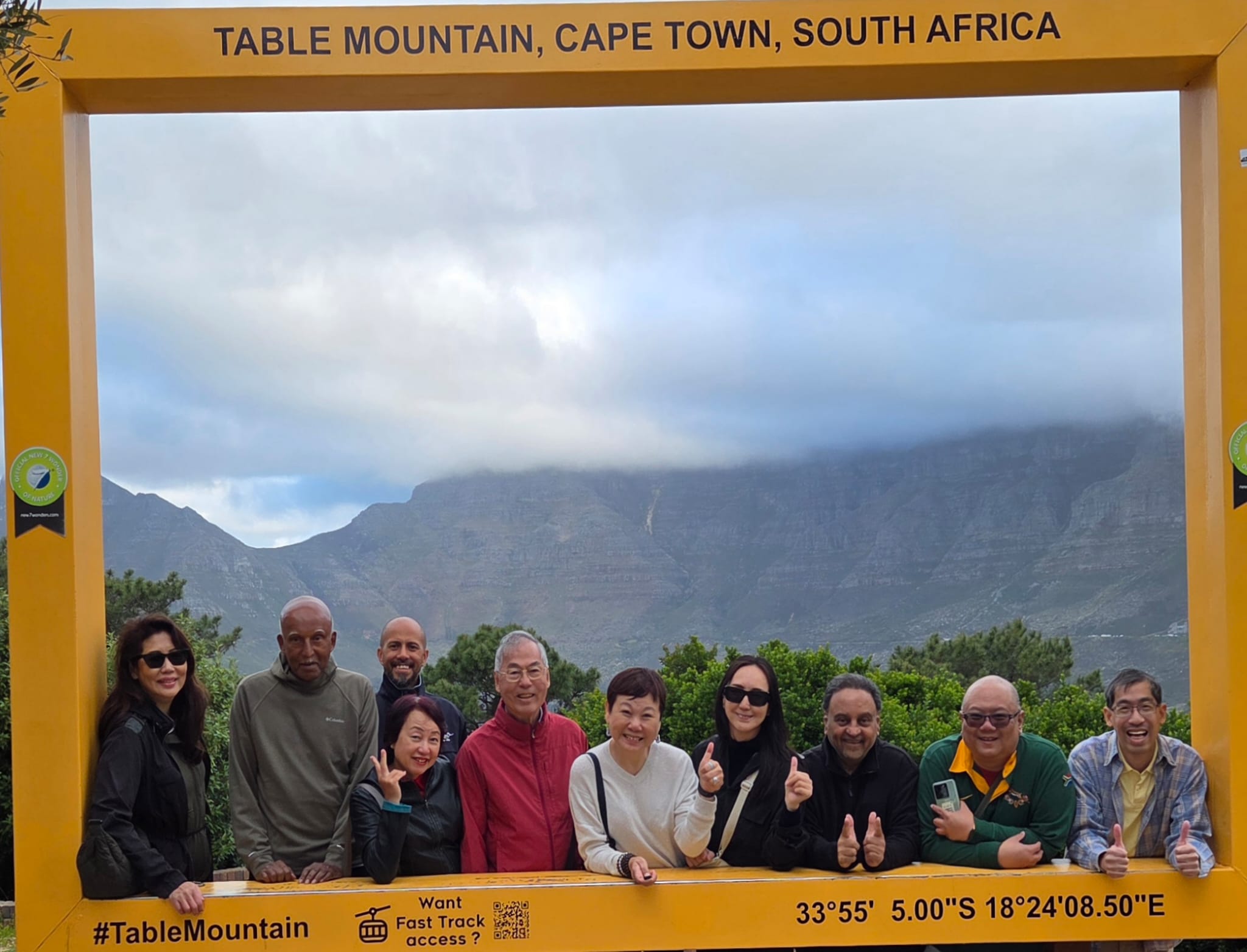
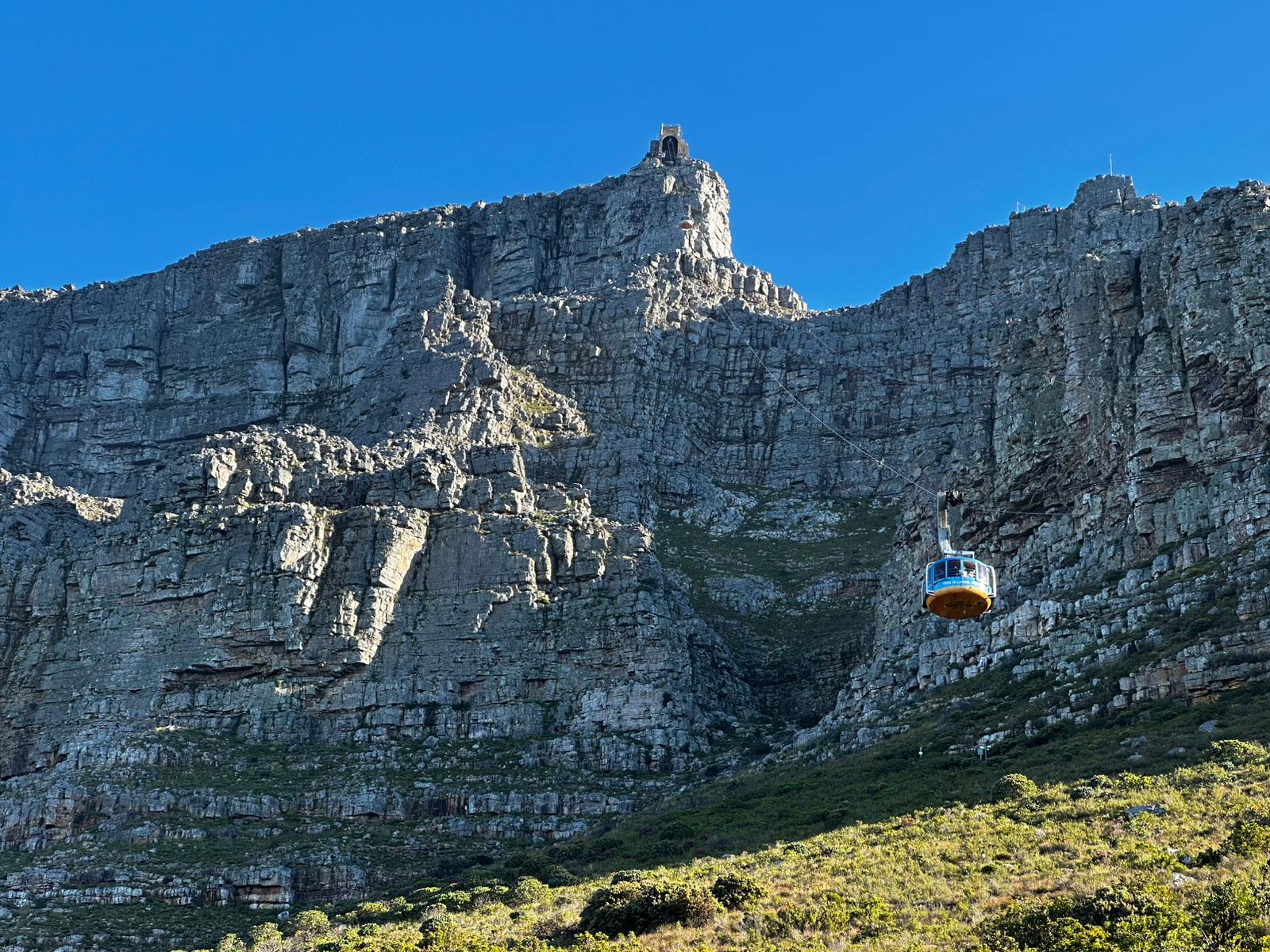
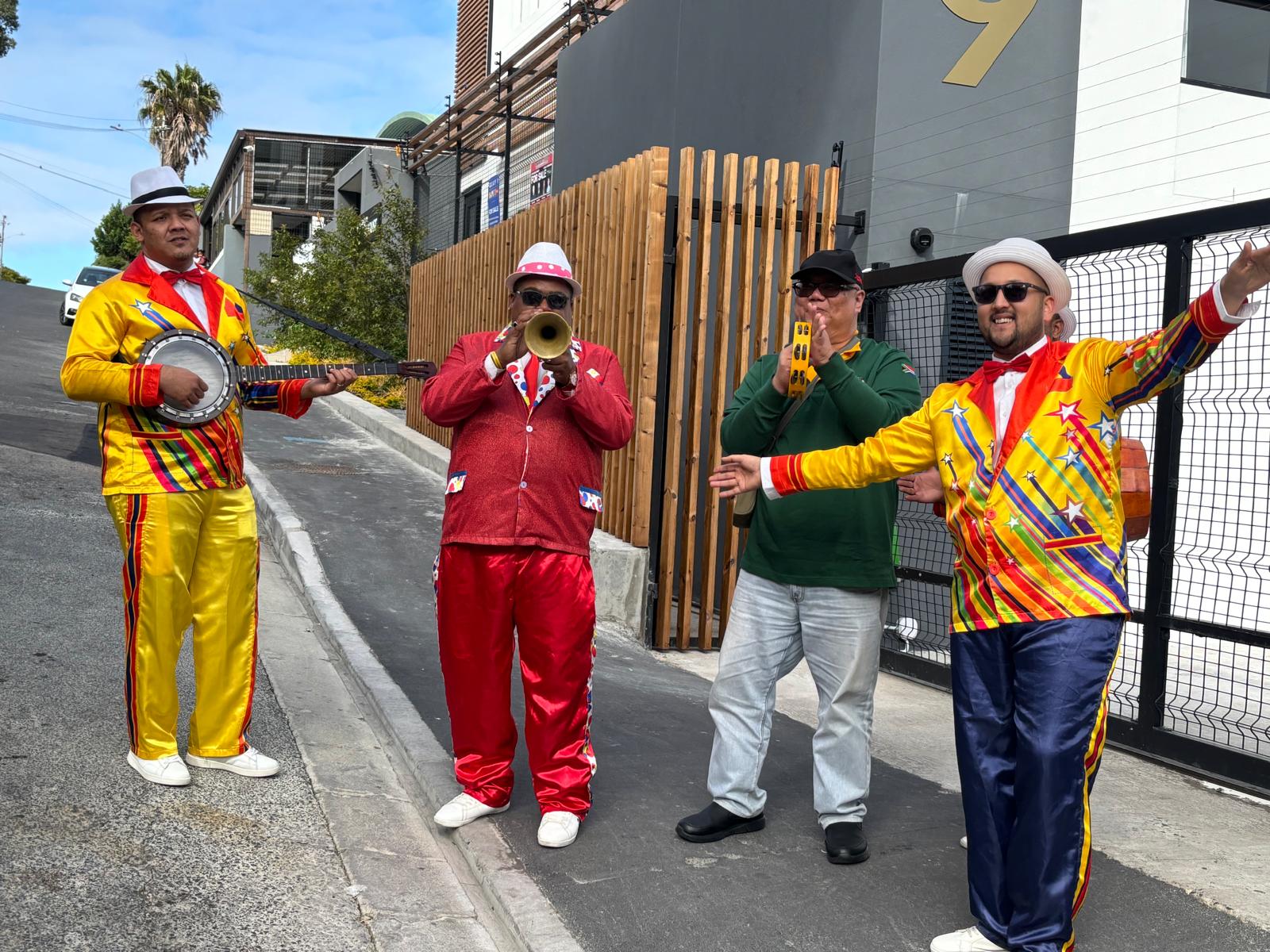
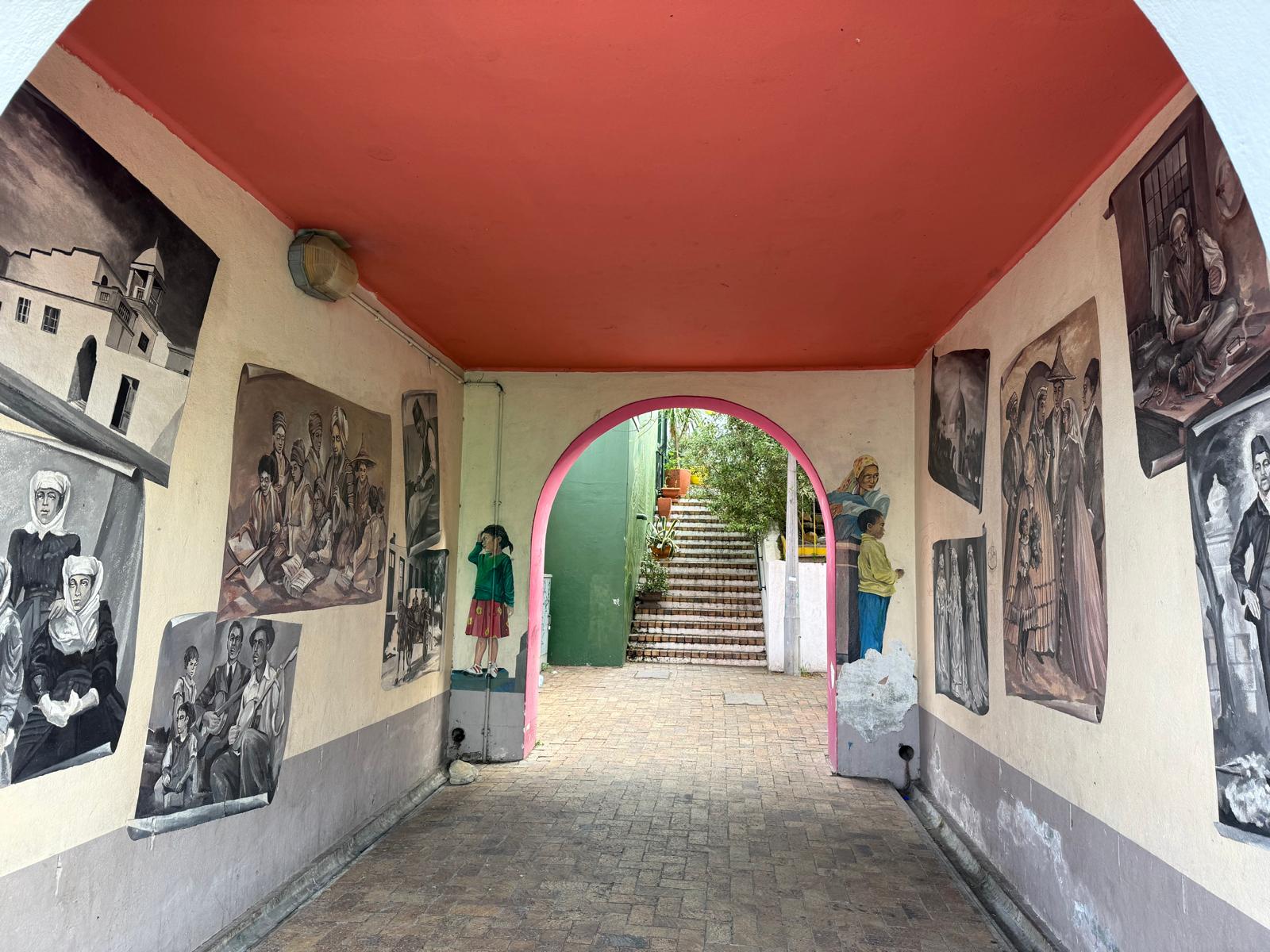
In Cape Town, we were party to an amazing sunset at the top of the 1,086-metre high Table Mountain - a highlight achieved after swapping our itinerary due to cloudy weather the day before, and a 90-minute wait to get onto the cable car! (It seemed all the tourists were similarly advised by their trusted guides, leading to the long queue.) But it was all worth it! The sunset, the view, the cold gusts, were just mesmerising. Other highlights in Cape Town included walking the sidewalks of Bo-Kaap, formerly known as the Malay Quarter, a historical centre of Cape Malay culture, taking in the sights of the famous Stellenbosch wine district - and the long drive to the Cape of Good Hope, which is the most south-western point of the African continent.
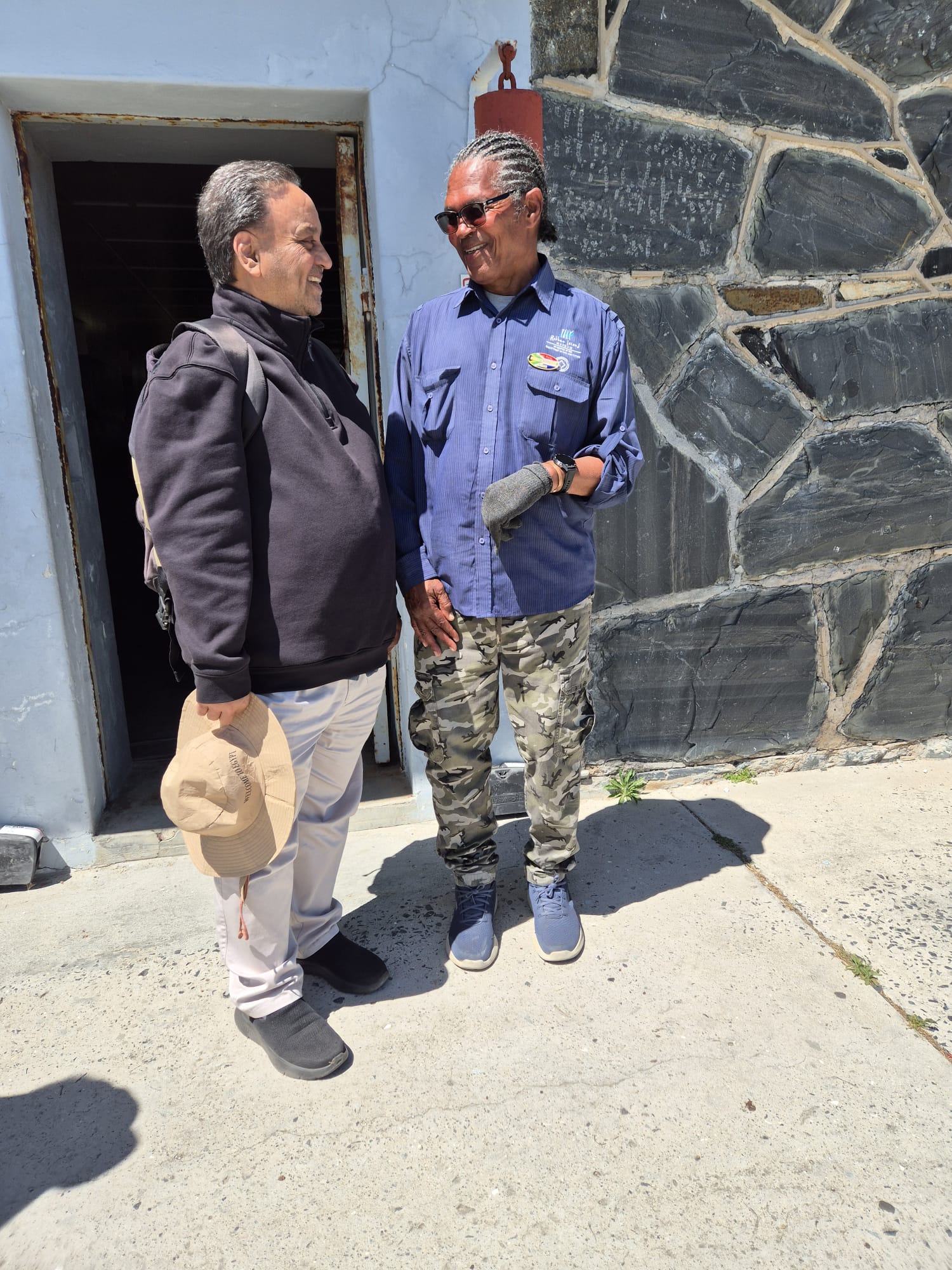
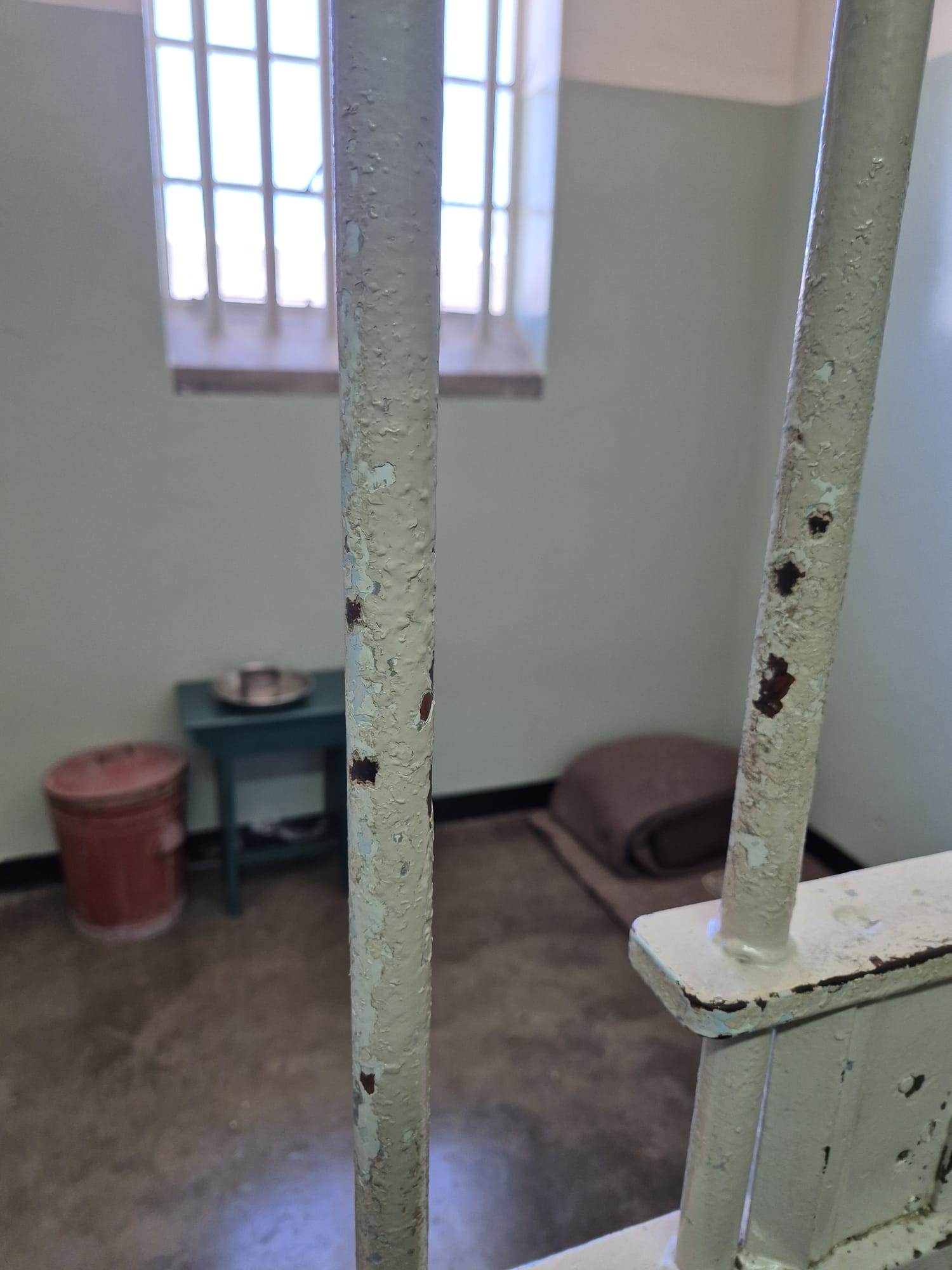
We also visited Robben Island, which was the main prison for male political prisoners of the anti-apartheid movement - and which became a powerful symbol of resistance and resilience. Nelson Mandela was its most famous prisoner. He spent 27 years in prison (1963-1990), primarily on Robben Island, before his release in 1990, which marked a turning point in the anti-apartheid struggle. Mandela went on to become President of South Africa from 1994 to 1999; he died in December 2013. Yes, Mandela was the chosen leader and face of the anti-apartheid struggle, but there were others too. Notable prisoners on Robben Island included Robert Sobukwe, Walter Sisulu, Govan Mbeki, Ahmed Kathrada and Steve Biko.
At Robben Island, we also had the honour of meeting Tom Moses - a former political prisoner who now works as a tour guide, passionately explaining the struggles of the political prisoners and the tortures they endured. Many former inmates now work as guides to ensure visitors hear the story not from textbooks but from those who lived it. As Moses shared with us, "We had to come back and tell our own stories. We could not allow a third person to come and tell our own stories, because they will distort it.".
See story on Tom Moses below!
We also saw the now famous, Cell Number 4, occupied by Nelson Mandela, and the only one which had a red container. This container originally served as Mandela's toilet, but is now used as a symbolic marker to help visitors identify Mandela's cell. At the end of the tour, I had the opportunity to speak with Tom Moses, albeit briefly, and asked about his left hand which was in a glove and the cell he was in. Tom Moses smiled and pointed to his heart. I respected his privacy.
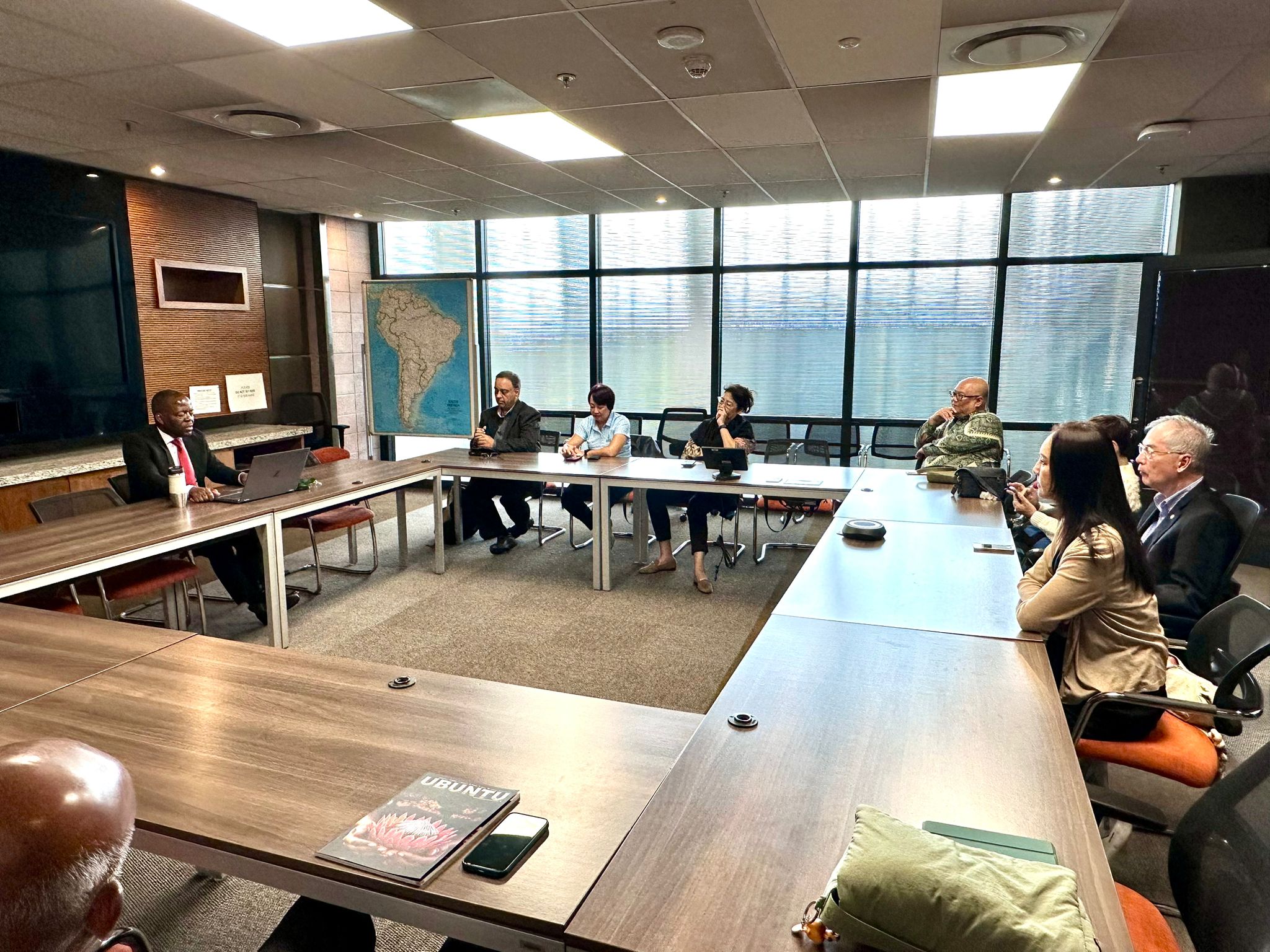
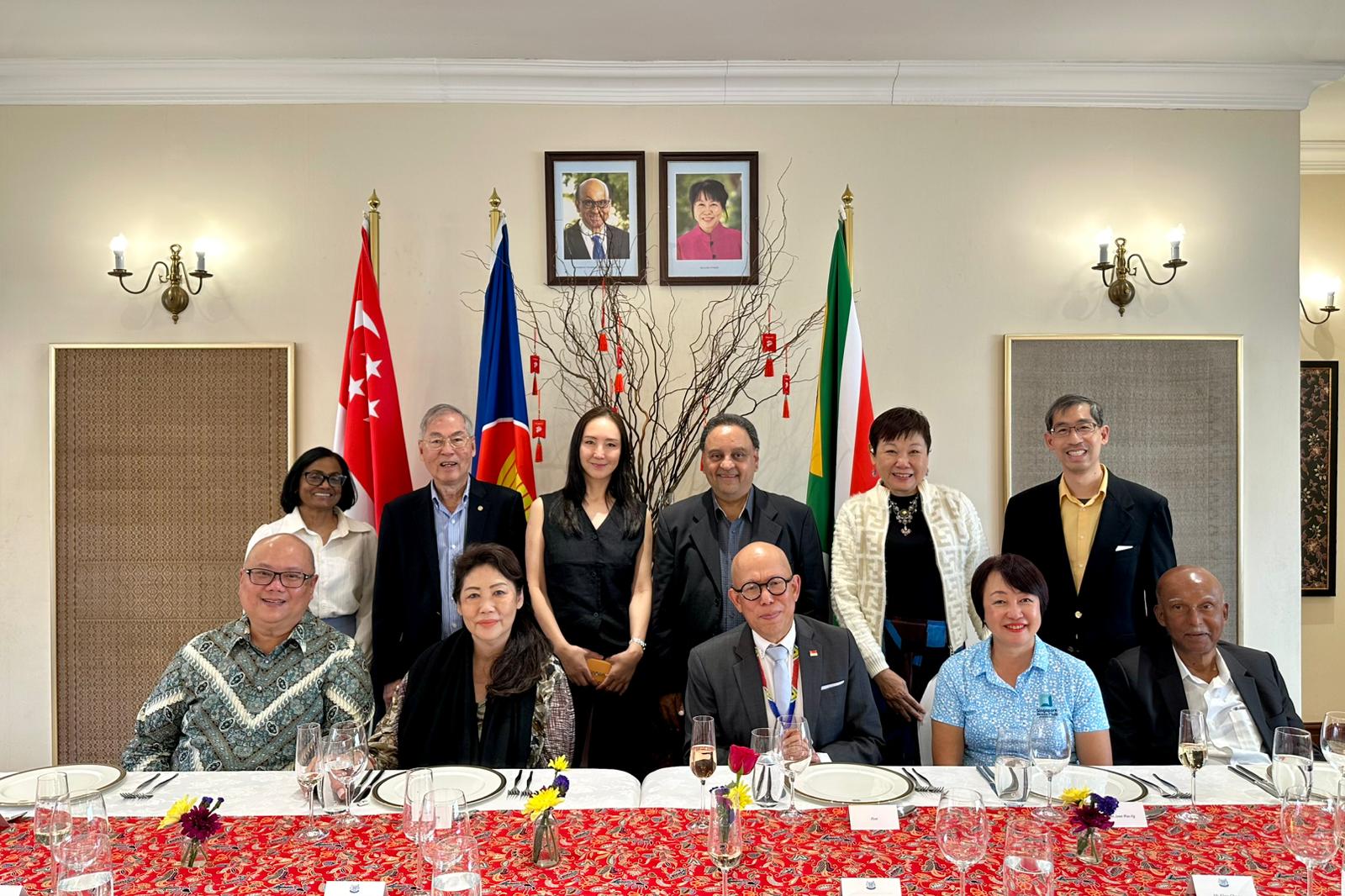
Our delegation was also honoured to meet with Singapore's High Commissioner to South Africa at the administrative capital, Pretoria. Mr Zainal Arif Mantaha - and his staff, Deputy High Commissioner Sheela Pillai-Quah and Executive Officer Abdillah Samad (aka Abi) - hosted the delegation to a sumptuous meal, where, as Singapore's MFA would say, we discussed Singapore-South Africa relations, and regional and international issues. Of significance was that the meeting was held at the Peranakan House - an adjacent building which beautifully highlighted Singapore's Peranakan connections.
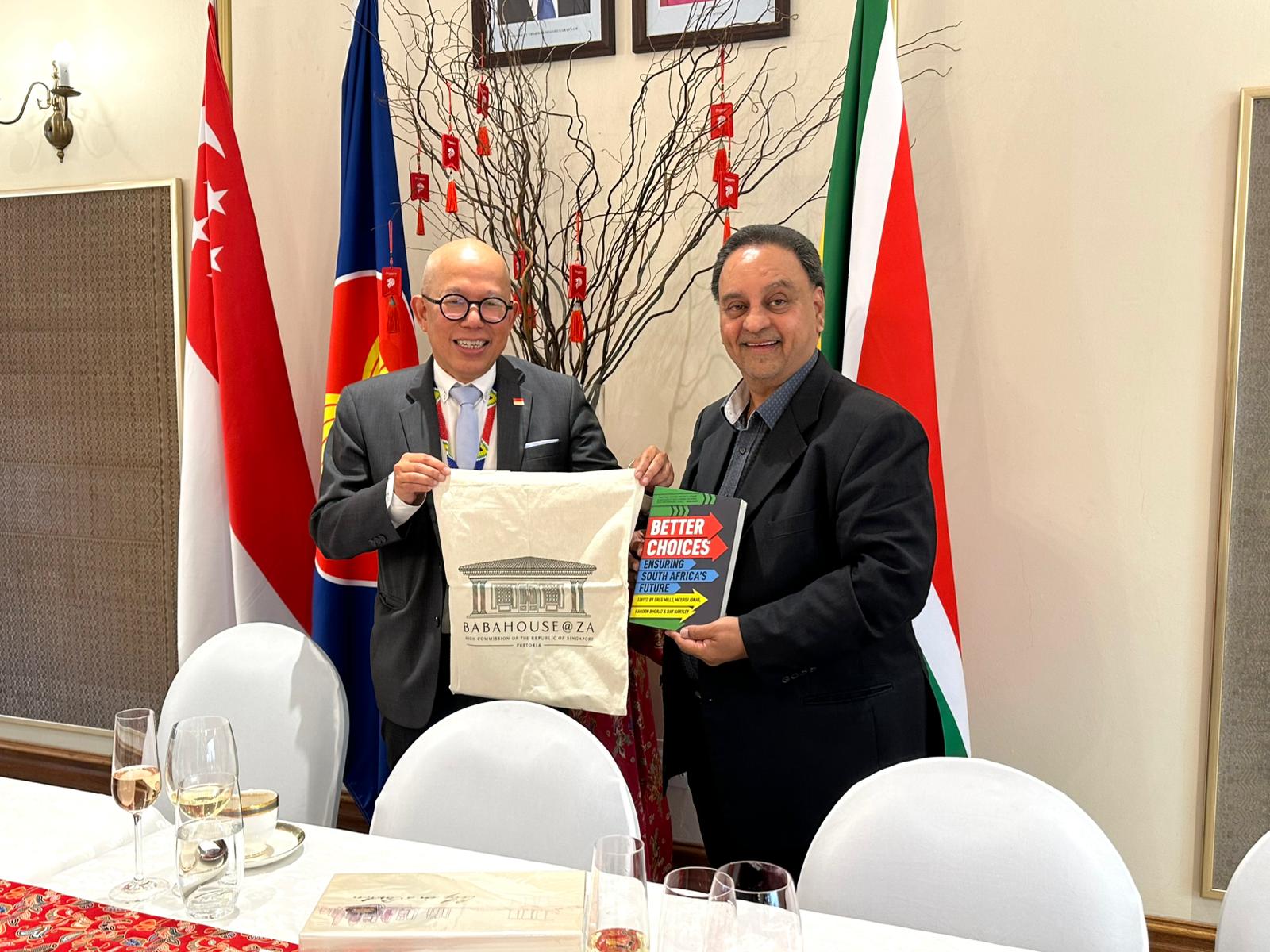
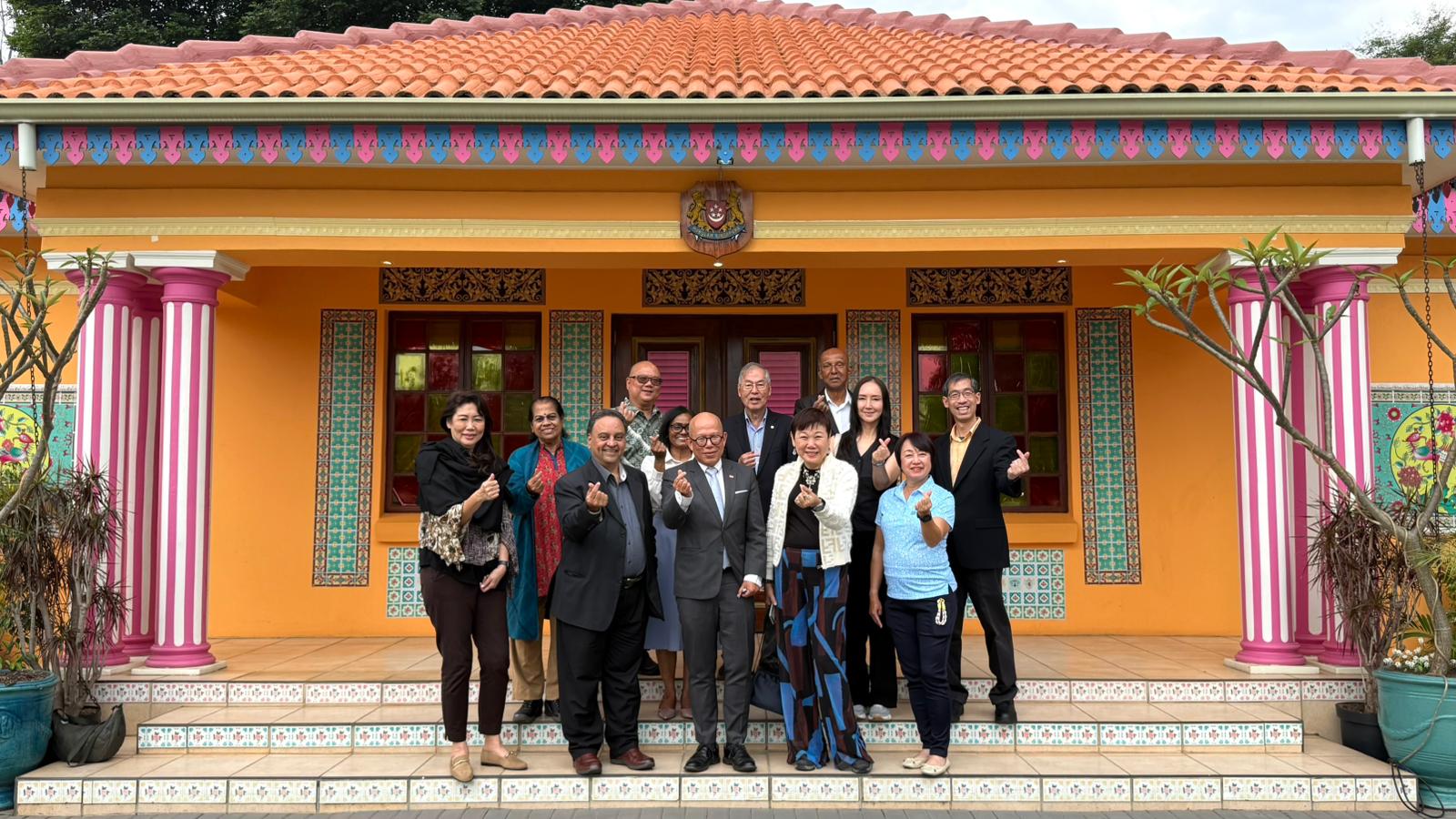
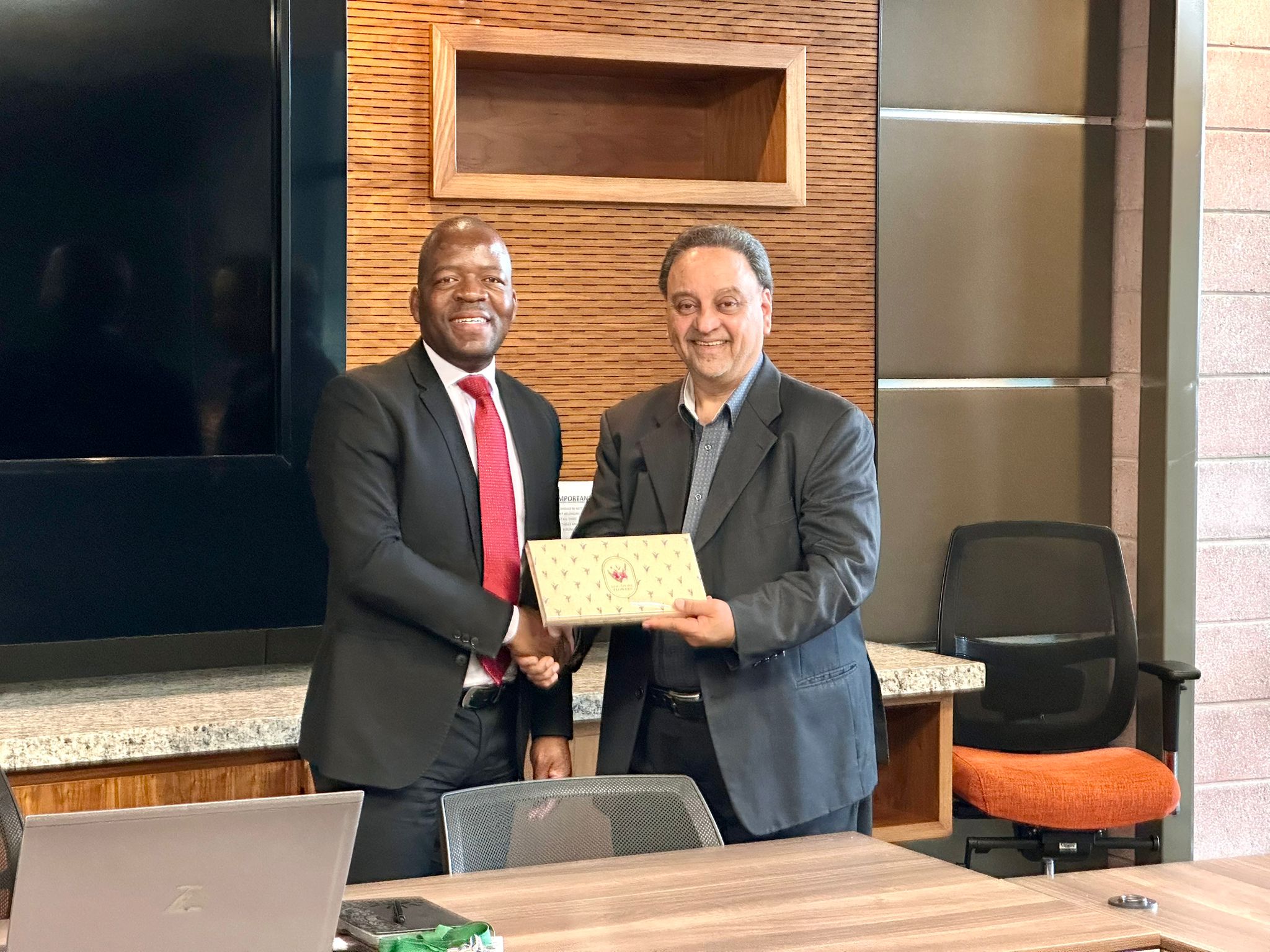
The trip was also fully supported by the South Africa High Commission in Singapore. Although we did not get to meet the country's leaders, as they were busy in the run-up to the G20 meeting, High Commissioner Madiepetsane Charlotte Lobe and her deputies Erick Makhubela and Gavin Du Preez, did arrange for a briefing on South Africa's foreign relations - at the Ministry of International Relations and Cooperation.
Overall, I can say the delegation had an unforgettable trip - both educational and entertaining. And I'm happy to note that despite the many challenges of the past, modern South Africa is on a positive path, working strongly on its democratic ideals of unity, justice, and reconciliation.
Bhagman Singh
Vice President, Singapore Press Club
Chairperson, Singapore Press Club Goodwill Mission to South Africa, 2025
Tom Moses on Robben Island
Tom Moses was an inmate at Robben Island from 3 Dec 1976 to 31 May 1985. He was imprisoned at the age of 19, for his opposition to apartheid.
Tom Moses is now a Tour Guide at Robben Island, which was inscribed as a UNESCO World Heritage Site in 1999.
"No one will ever ask what happened to those unsung heroes. Yet those men were prepared to spill their blood. Some of them ended up at the gallows, and no one will say, I repeat, what happened to those young men whose lives were destroyed here on a place called Robben Island. You see this face of mine? It looks normal, yes, but in here (pointing to his heart) there is a wound that still bleeds. Talking to you people helps to heal those wounds that were inflicted. When we were released, we did not get counseling. Every morning, when I wake up, I'm reminded of what happened to me 48 years ago, 48 years ago! Yes, I have forgiven them. I don't hate them. But 48 years ago, it is my wish before I die, I'll be able to tell my family, my children and my grandchildren that I have forgotten. Yes, forgiven. But I can't forget. The hell for a political prisoner started when he was released from Robben Island, because when they got out there, they could not find employment, they could not look after their families. So they got involved into things that they were not supposed to get involved with. Myself, Nelson (Mandela) used to tell us, here my children, when you leave this prison, you must always remember, hatred, bitterness and anger leads to self-destruction, which is true, because I am from that hell hole. Me too, could not, out there, find a job looking after my family. Look, and I also, if it was, I almost also got involved into things that I was not supposed to be doing. But if it was not for those religious men that came to me, spoke to me, I would have been a dead person by now. And I say thank you to those men that came and spoke to me, because today I stand here, sharing with you what happened to men on Robben Island. Nelson, Walter, Govan, all of them have written books. All of them have gone to the grave with all those secrets of what happened on Robben Island. One day, my child, my grandchildren's children and your children's children will say to the world that my grandpa, my son, my father, lied to us. They never told us what really happened on Robben Island, which makes us accomplices to all those tortures, to all those deaths, to all those humiliations, to all those beatings, and all those people that were taken and fetched from Robben Island and ended up at the gallows. That is what we then will be accused of, of being accomplices. (pause) Myself, we had to come back and tell our own stories. We could not allow a third person to come and tell our own stories, because they will distort it." (Tom Moses)
Robben Island, which has a 500-year-old history, is about 30 minutes away by boat from Cape Town. The prison tour route includes the graveyard of people who died from leprosy, the Lime Quarry, the Bluestone quarry, the army and navy bunkers and the Maximum Security Prison where thousands of South Africa’s freedom fighters were imprisoned for years. The tour culminates with a viewing of Nelson Mandela’s cell. Tom Moses was one of the political prisoners there. Members of the Singapore Press Club Goodwill Mission visited Robben Island recently - and were honoured to have Tom Moses as our guide.